
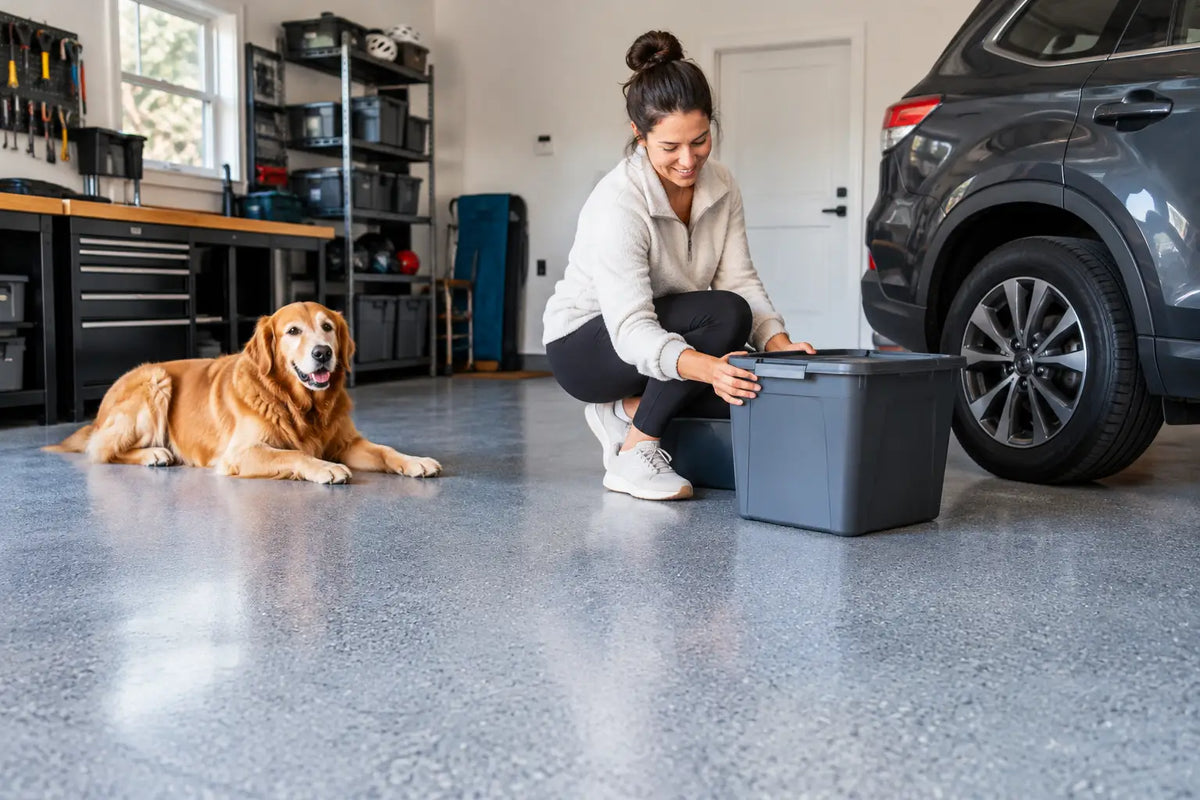
A garage that holds vehicles, tools, bikes, storage bins, and weekend projects needs more than a floor that simply looks clean on move-in day. The best garage flooring should handle daily traffic, resist the moisture risks of a concrete slab, clean up without drama, and still give the space a finished look. The right answer depends on how you use the garage, but choosing a first-quality hard-surface floor can turn an overlooked area into useful square footage.
For homeowners, renovators, and investment-property owners, the smart goal is not to choose the toughest-looking material on a spec sheet. It is to match the floor to the real conditions of the room: vehicles, climate, slab condition, storage, project work, and budget. That approach protects your investment and keeps you from paying for performance you may not need.
What Makes the Best Garage Flooring?
A garage puts flooring through a different routine than a bedroom or living room. Tires bring in water and grit. Shelves and equipment concentrate weight in small areas. Doors open to heat, cold, and humidity. A floor may also need to stand up to pets, kids, lawn equipment, and frequent cleaning.
Start with moisture. Concrete can release moisture vapor even when it appears dry, and a garage is more exposed to wet shoes, rain, and vehicle runoff than most rooms. A water-resistant or waterproof flooring option is often the more practical direction, especially when the garage connects directly to the home or serves as a utility space.
Then consider surface durability. Look for products designed to resist scratches, scuffs, and dents from ordinary household use. No flooring is completely immune to damage from sharp metal edges, dropped tools, or dragging heavy equipment, so a realistic plan matters. Use protective pads beneath shelving and appliances, and avoid dragging heavy items across any finished floor.
Finally, think about maintenance and appearance together. A low-maintenance floor in a color or pattern that helps disguise everyday dust can make the garage feel more organized with less work. Wood-look visuals are popular because they bring the polish of an interior room while staying practical for a hardworking space.
Luxury Vinyl Is Often the Practical Choice
Luxury vinyl flooring is a strong contender for garage conversions, storage-focused garages, hobby rooms, and areas where a clean, finished appearance matters. Many luxury vinyl products offer water resistance or waterproof construction, comfortable footing, and realistic wood or stone visuals without the upkeep associated with natural materials.
For a garage used mainly for storage, a home gym, a workshop corner, or a vehicle-light utility area, luxury vinyl can offer an excellent balance of appearance, resilience, and value. It is also a useful choice when you want the garage floor to coordinate with nearby rooms. That continuity can matter in a remodel, especially when the garage functions as an extension of a mudroom, laundry area, or bonus space.
The trade-off is that product selection matters. Not every luxury vinyl floor is intended for every garage condition. Review the manufacturer’s installation requirements, especially regarding temperature variation, moisture testing, and direct exposure to sunlight. A garage that stays climate-controlled has different needs than one that experiences major swings in temperature throughout the year.
Waterproof flooring deserves similar consideration. Its core construction can provide added confidence where moisture is a routine concern, but proper preparation of the concrete subfloor remains essential. A great product cannot compensate for an uneven slab, active moisture issue, or installation that ignores the manufacturer’s guidelines.
Can Laminate Work in a Garage?
Laminate flooring can be a value-focused option for a finished garage space that is dry, climate-controlled, and used more like an interior room than a vehicle bay. Today’s laminate offers convincing visuals and strong scratch resistance, making it appealing for a workshop office, storage room, hobby area, or garage conversion.
Its limitation is moisture exposure. While many laminate products have improved water resistance, standing water and unmanaged moisture can still create problems. If cars regularly enter with rainwater or snowmelt, or if the slab has a history of moisture concerns, waterproof flooring may be the better fit. This is one of the situations where paying attention to the room, not just the price tag, prevents a costly redo.
For rental-property owners and flippers, laminate may make sense when the garage has a clearly defined, low-moisture use and the project calls for an attractive upgrade with controlled costs. The key is setting the right expectation: laminate is not a universal answer for every active garage.
Match the Floor to How You Use the Space
The best garage flooring for a homeowner who parks two vehicles every day may differ from the best choice for someone creating a finished workout room or a contractor organizing supplies. Before narrowing down colors and plank widths, answer a few practical questions.
Will vehicles be parked inside every day? Does the floor get wet during storms? Is the garage insulated or climate-controlled? Are you planning a workshop, gym, storage area, or conversion? Will heavy rolling equipment, tool chests, or shelving sit on the floor? These details quickly reveal whether water resistance, stability, scratch resistance, or visual continuity should lead the decision.
For a vehicle-heavy garage, confirm that the specific product is appropriate for the intended use and installation environment. For a finished multipurpose garage, comfort, easy cleaning, and design may carry more weight. For an investment property, a durable first-quality floor with straightforward maintenance can improve the space without pushing the project budget beyond reason.
Do Not Skip Slab Preparation
Even the best flooring product needs the right foundation. Concrete should be clean, flat, and evaluated for moisture before installation begins. Old coatings, cracks, uneven areas, and adhesive residue can affect both the finished appearance and long-term performance.
This is where professional guidance pays off. Ask about the product’s approved installation method, underlayment needs, moisture requirements, and expansion space. If you are working with an installer, make sure they understand the exact flooring selected and the garage’s day-to-day conditions. Product instructions are not interchangeable between collections, even when two floors look similar.
Homeowners planning a garage refresh should also measure carefully and account for cuts, layout, and transitions. Ordering enough material at one time helps maintain color consistency, particularly with closeout, discontinued, overstock, or special-buy inventory. Those opportunities can offer exceptional value on first-quality flooring, but available quantities can change as inventory sells.
Get More Value From Factory-Closeout Flooring
A garage project is a practical place to shop strategically. Factory-closeout and liquidation sourcing can make premium-looking, first-quality flooring more attainable without treating the project as a compromise. The savings come from how the product is sourced - such as overstock, discontinued collections, end-of-run inventory, and special buys - rather than from accepting inferior quality.
That distinction matters. A discontinued color may be an excellent choice for a garage, renovation, rental property, or single-room update when the available quantity meets your needs. It may not be the right choice if you expect to add onto the same flooring years later and want an exact match. Knowing that trade-off upfront makes a closeout purchase a smart decision rather than a gamble.
At Factory Flooring Liquidators, customers can compare first-quality hard-surface flooring options with practical guidance on use, style, quantity, and current availability. Online shoppers can plan for nationwide delivery, while DFW customers can also see options in person at the Carrollton showroom. Either way, the goal is the same: help you buy confidently for the conditions you actually have.
Choose Color and Finish for Real Life
Very light floors can show garage dust quickly, while very dark floors may highlight pale debris, scratches, and tire marks. Mid-tone wood looks, warm grays, greiges, and natural oak-inspired colors often strike a useful balance between style and everyday forgiveness.
A textured or lower-gloss visual can also be practical in a busy space because it tends to make minor surface marks less obvious than a highly reflective finish. If the garage opens into your home, bring a cabinet door, wall paint sample, or photo of adjacent flooring when comparing options. A coordinated floor can make the transition feel intentional rather than separate.
The right garage floor should make the space easier to use, not harder to maintain. Start with the slab and the moisture conditions, choose a first-quality product suited to the room’s real demands, and take advantage of closeout value when the available inventory fits your project. A well-chosen floor can make every trip through the garage feel a little more finished.