
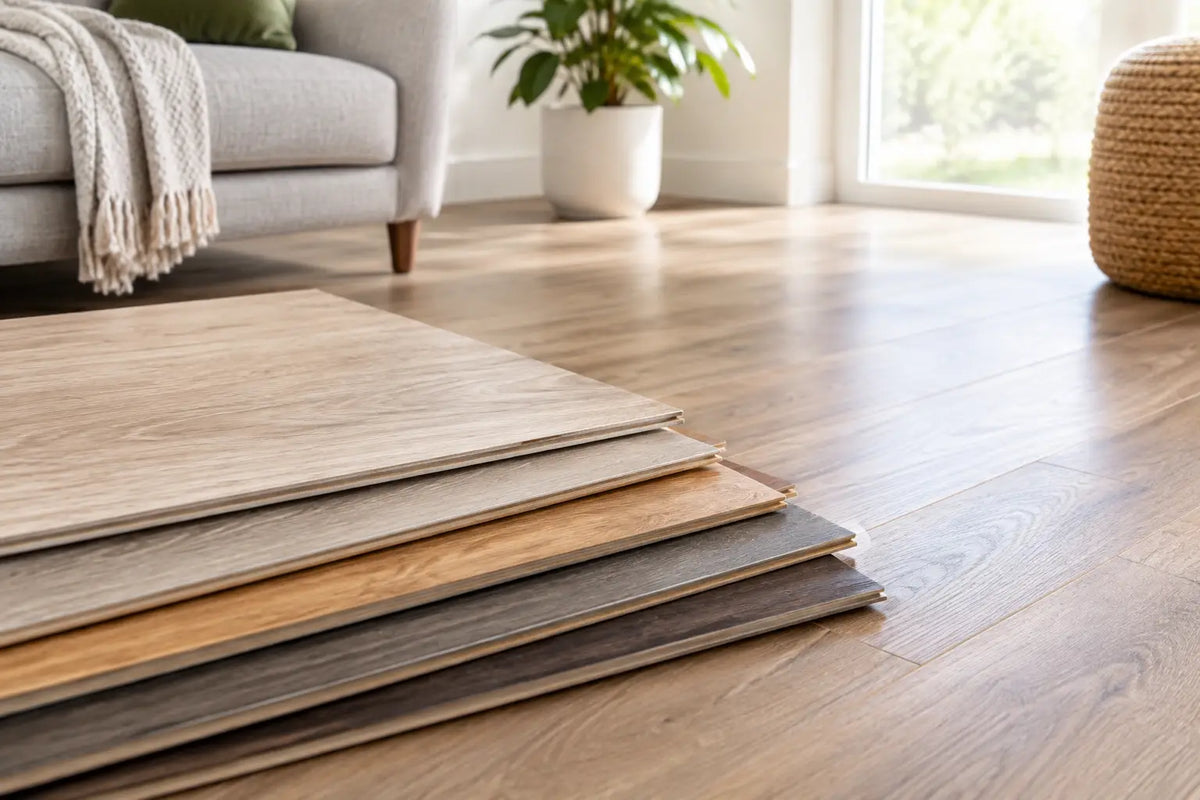
A recognizable name can be reassuring, but the best laminate flooring brands are not automatically the best choice for every room or budget. A premium collection may offer the realistic texture and moisture protection a busy kitchen needs, while a well-built closeout collection can be the smarter buy for a rental refresh, upstairs bedrooms, or an entire home renovation. The product specifications, the room, and the available inventory matter more than the logo on the carton.
For homeowners, renovators, and property professionals, laminate remains a practical way to get the look of wood with straightforward care and strong day-to-day durability. The key is knowing what separates a dependable laminate floor from one that only looks good under showroom lighting.
What Makes the Best Laminate Flooring Brands Stand Out?
The strongest laminate manufacturers build their reputations around more than décor selection. Look closely at how a specific collection handles wear, moisture, visual realism, and installation. These details determine whether the floor continues to suit the space after moving day, pets, guests, and regular cleaning become part of the picture.
A quality wear layer is the first place to look. Laminate flooring uses a protective surface over its printed design layer, and that surface helps resist ordinary scuffs, scratches, and stains. AC ratings can provide a useful comparison point when they are supplied. AC3 is commonly appropriate for active residential spaces, while higher ratings may make sense for heavier residential traffic or certain commercial applications. Still, an AC rating is one detail, not a complete verdict on a floor's performance.
Water resistance deserves equally careful attention. Some laminate collections have water-resistant edges, treated cores, or locking systems intended to reduce the risk from routine spills. That can be valuable in kitchens, entryways, and family rooms. It does not mean every laminate product is intended for standing water, neglected leaks, or every wet-area application. Read the product's stated use guidelines and choose the floor around the conditions it will actually face.
Visual quality separates basic laminate from collections that can carry a whole-home renovation. Better planks often use varied board patterns, low-repeat visuals, authentic-looking grain, and registered embossing that follows the design of the wood image. Wider or longer planks can create a more open look, but they also need to fit the room's proportions and your preferred style.
How to Compare Laminate Brands Beyond the Name
Instead of asking which brand is best in the abstract, compare the exact product lines you are considering. Manufacturers often offer entry, midrange, and premium collections, so two floors with the same brand name may be built for very different budgets and uses.
Start With the Room and Daily Traffic
A quiet guest room and a busy household entry do not need the same flooring priorities. For bedrooms, color, comfort underfoot, and overall value may lead the decision. In a main living area with children or pets, a more durable wear surface and forgiving texture may be worth the added investment.
For investment properties, consistency and practical replacement planning can be especially important. A neutral oak visual with dependable residential performance may appeal to a wide range of renters or buyers without tying up the project budget in features the property does not need. For a flip, choose a style that supports the home's price point and make sure sufficient material is available before the installation schedule is set.
Compare Construction, Not Just Thickness
Thickness can affect the feel of a laminate floor and how it transitions to nearby rooms, but thicker is not a universal shortcut to better. The core construction, locking profile, surface protection, and installation conditions all deserve attention. A well-designed floor at a moderate thickness may be the better value for one project, while a thicker product may help achieve a more substantial feel in another.
Ask about the core and the approved installation method. Floating laminate floors need a sound, clean, level subfloor and the right underlayment for the product and setting. An excellent laminate can still disappoint if the subfloor preparation or underlayment choice is wrong. Product documentation should guide expansion space, moisture testing where applicable, and underlayment compatibility.
Look at a Full Plank, Not a Small Swatch
Color samples are useful, but laminate's pattern repeat and surface texture are easier to judge from full planks. Look at multiple boards together. This reveals whether the décor has enough variation for your room and whether the gloss level, knots, and grain look natural under changing light.
Bring cabinet, paint, countertop, or furniture references into the decision when possible. Warm honey and natural oak tones can make a cool gray wall feel more balanced. Clean blonde wood visuals tend to keep a smaller room bright. Darker floors can add contrast and depth, though they may show dust more readily in high-light spaces. Room visualization can help narrow the field before a final choice.
Brand Reputation Matters, but Product Availability Does Too
A brand with a long history may be a useful starting point, particularly when you want clear specifications and a broad design range. But reputation does not override the realities of an individual collection. Confirm the construction, ratings, installation requirements, and intended application for the exact color and style you plan to purchase.
Availability can also shape a smart buying decision. Flooring is often produced in runs, and colors can be discontinued as styles and collections change. If your project requires a large quantity, stair pieces, or a little extra material for future repairs, verify the amount needed before committing. Ordering based only on the square footage of the room is a common mistake. Include a reasonable allowance for cuts, layout, and the shape of the space.
This is where factory-closeout sourcing can create real value. First-quality overstock, end-of-run, discontinued, and special-buy laminate may offer the same kind of construction and visual appeal shoppers expect from established manufacturers, at a more favorable project cost. The trade-off is that closeout inventory can change. When a product is the right fit and the quantity is available, it is worth confirming enough material for the full project rather than assuming it can be reordered later.
At Factory Flooring Liquidators, shoppers can compare first-quality laminate opportunities with knowledgeable guidance, whether they are visiting the DFW showroom or planning a project for delivery elsewhere in the United States. The goal is not to push the most expensive carton. It is to match the product to the room, design direction, available quantity, and budget.
Questions to Ask Before Buying Laminate Flooring
A few direct questions can prevent expensive surprises. Ask whether the collection is rated for your planned room, how it handles everyday spills, what underlayment it requires, and whether transitions or coordinating accessories are available. For open floor plans, confirm that the color variation works across the full area rather than only in one room.
If you are comparing two similarly priced products, focus on the features you will notice after installation: surface texture, board variation, moisture resistance, locking design, and how well the color works with the home's fixed finishes. A laminate floor that fits your lifestyle and looks right throughout the space is usually the better value than a higher-priced name with features you will not use.
The best choice is the one you can buy with clear product information, enough material for the project, and confidence that it belongs in your home or property. Start with the room, inspect the details, and let first-quality closeout opportunities work in your favor when the right collection becomes available.