
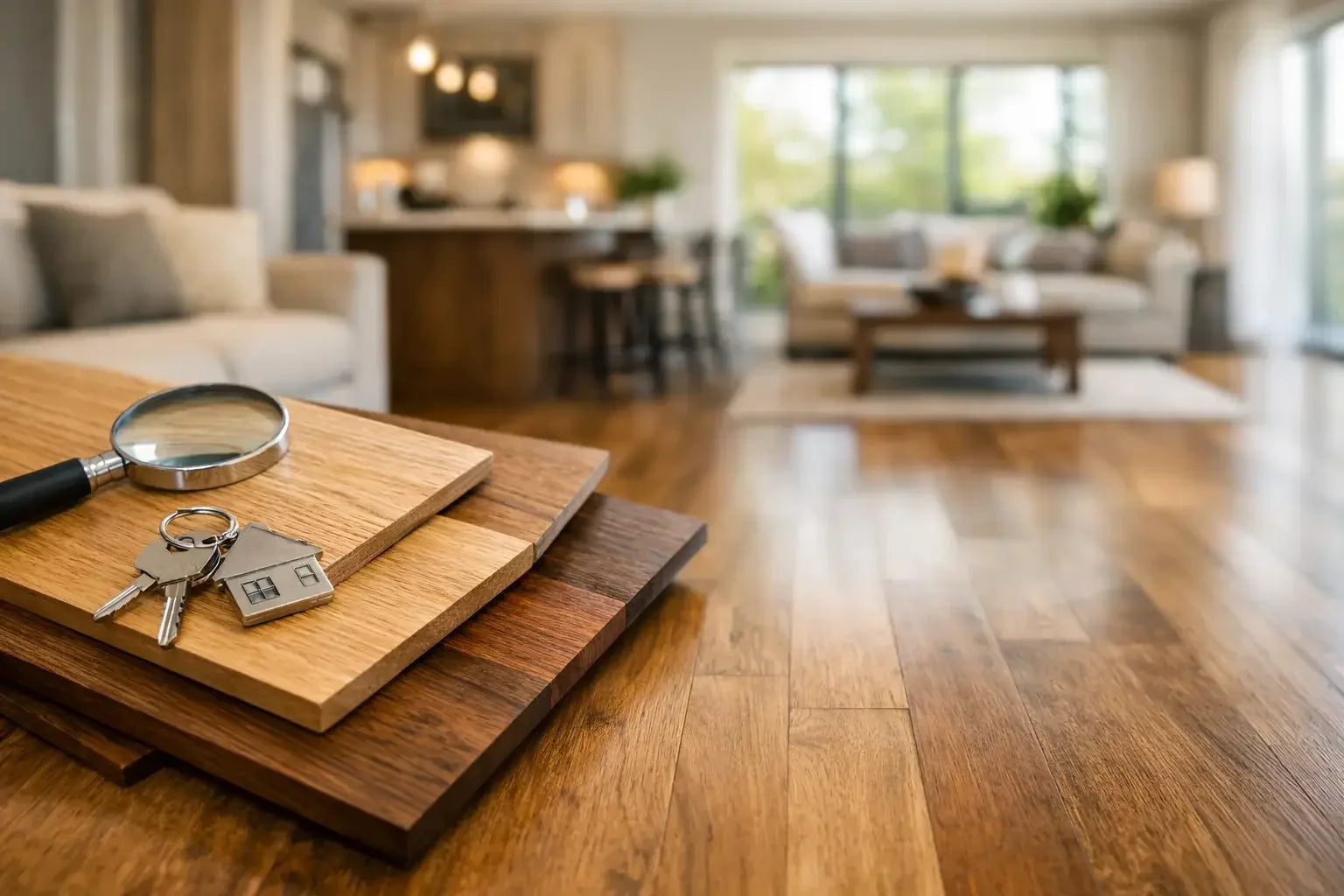
A floor can make a renovated room feel current, calm, and ready to move into - or make everything around it look like it needs another update. Flooring colors that increase home value are rarely the loudest or most trend-driven choices. They are the colors that help buyers picture their own furniture, work across multiple rooms, and still look appropriate a few years from now.
That does not mean every home needs the same pale oak floor. Your lighting, wall colors, architecture, neighborhood, and property goals all matter. But when resale value or rental appeal is part of the plan, a versatile flooring color is one of the smartest places to keep the design grounded.
Why Flooring Color Matters to Buyers
Flooring covers a large visual area, so its color has an outsized effect on how open, clean, and coordinated a home feels. A well-chosen neutral floor can make a smaller room appear brighter and help separate updates - new cabinets, paint, counters, and fixtures - feel like one intentional renovation.
For buyers, flooring is also a practical signal. A color that hides normal dust, minor scuffs, and everyday traffic can suggest a home that will be easier to live with. That appeal is especially useful for investors and rental-property owners who want a finish that photographs well, suits a broad tenant pool, and remains easy to refresh between occupants.
Color alone does not determine a home's appraised value, and no flooring shade guarantees a higher sale price. Product condition, installation quality, layout, and the local market matter just as much. Still, flooring that feels widely appealing can reduce a common buyer objection: the belief that they will need to replace it immediately.
Flooring Colors That Increase Home Value Have a Pattern
The strongest choices tend to sit in the middle - not extremely light, not extremely dark, and not heavily colored. They carry enough warmth to make a room welcoming while staying neutral enough to work with changing styles.
Natural oak and light warm wood tones
Natural oak, light honey-brown, and soft beige-brown wood visuals remain dependable choices for a reason. They bring warmth without pushing a room toward orange, yellow, gray, or stark white. These shades pair comfortably with white cabinets, painted islands, black hardware, warm metals, and a wide range of upholstery.
Light warm tones can be particularly effective in homes with limited daylight or compact living areas because they reflect more light than deeper floors. In hardwood, they can showcase an authentic grain pattern without feeling overly formal. In luxury vinyl and waterproof flooring, a realistic natural-oak visual gives homeowners and investors a durable, low-maintenance look that is easy to place throughout busy areas.
The trade-off is that very pale finishes can reveal dark debris, especially in homes with pets or heavy outdoor traffic. Select a finish with natural grain variation rather than a perfectly uniform light surface if day-to-day concealment is a priority.
Medium brown flooring
If one color family consistently earns consideration for resale-minded projects, it is medium brown. Think balanced oak, soft walnut-inspired brown, or a neutral brown with restrained variation. It feels established, hides normal wear better than many very light or very dark alternatives, and gives rooms definition without absorbing too much light.
Medium brown works well when a home has substantial white or light-gray paint, bright kitchens, and generous windows. It can also be a practical choice for main living areas, hallways, and rentals because it is forgiving in real life. Avoid red-heavy or orange-heavy brown unless it is clearly suited to the home's existing trim and character; those undertones can make future updates more limiting.
Greige and balanced taupe wood looks
Greige flooring blends beige warmth with a measured gray influence. When done well, it can connect contemporary finishes with traditional rooms and provide a clean backdrop for both cool and warm decor. It is often a good answer for homeowners who like the quiet look of gray but do not want their renovation to feel cold.
The key word is balanced. Floors that are strongly gray or blue-gray can feel dated more quickly when paired with warm cabinets, cream walls, or yellow-toned lighting. A taupe, beige-gray, or weathered oak visual with visible brown undertones is usually more flexible. Bring samples into the actual room and check them in morning, afternoon, and evening light before making a final decision.
Soft white oak and neutral blondes
White oak-inspired colors and neutral blondes can create the open, edited look many buyers expect in updated homes. They work especially well with simple cabinetry, natural textures, and modern black or brushed-metal accents. In a whole-home renovation, these floors can make transitions between rooms feel more continuous.
Choose a blonde with subtle variation and a natural-looking grain. An overly washed-out, chalky, or highly distressed visual can become a strong style statement, which narrows its appeal. The goal is not to make the floor disappear; it is to create a finish that supports the rest of the home.
Colors That Require More Careful Planning
Dark espresso, near-black brown, and very cool gray floors can look striking in the right space, but they have narrower resale appeal. Dark floors can emphasize light dust, pet hair, and surface scratches. They may also make smaller rooms feel more enclosed, particularly where windows are limited.
Very gray flooring has a similar challenge. It can look sharp beside crisp white walls and modern finishes, yet it may clash with warm wood cabinetry or feel disconnected in a traditional home. If you are renovating specifically for a quick sale, broad marketability is usually more valuable than a bold personal preference.
Highly distressed, heavily hand-scraped, or dramatic multi-color planks deserve the same caution. Texture and variation can hide wear, but too much visual movement can compete with counters, tile, or furnishings. These looks are better when they genuinely match the home's style rather than when they are chosen to chase a trend.
Match the Color to the Product and the Room
A resale-friendly color needs the right flooring construction behind it. Hardwood delivers natural character and can be a strong fit for living spaces where the warmth of real wood is central to the design. Its color variation is part of its appeal, so expect each board to contribute to the finished look.
Luxury vinyl and waterproof flooring offer practical options for kitchens, active households, and areas where moisture resistance is a major consideration. Many current wood visuals offer the neutral oak, blonde, brown, and greige tones that buyers recognize, with easy-care performance for daily life. Laminate can also provide a convincing wood look and dependable value for suitable dry-area applications.
Keep color continuity in mind. Using one compatible flooring color through connected living spaces can make the home feel larger and more cohesive. That does not always require the exact same product in every room. A waterproof option in one area and a coordinating hard-surface floor nearby may make sense, as long as the undertones and plank visuals work together.
A Smarter Way to Shop for Value
Start with samples, not a phone screen. Place them next to cabinets, trim, countertops, and the paint color that will remain after the renovation. Look for undertones first: does the floor read yellow, red, gray, pink, or green in your home's light? A floor can be labeled “natural” and still look completely different from room to room.
Then consider scale. Wider planks and longer boards can create a more updated, expansive impression, but the right format depends on the room and budget. Confirm the product is appropriate for the installation area, estimate enough material for the project, and plan for coordinating transitions and trim so the completed floor looks intentional.
Factory-closeout and liquidation inventory can add another advantage to a value-focused renovation. First-quality overstock, discontinued runs, end-of-run products, and special buys may provide access to attractive, current color families at exceptional value. Because these opportunities can change as inventory moves, it is wise to confirm available quantities before designing an entire project around one selection.
For Dallas-Fort Worth showroom shoppers and customers purchasing nationwide, Factory Flooring Liquidators can help narrow choices based on room use, color direction, quantity needs, and the practical demands of the project. That guidance matters when the goal is not simply a good-looking floor, but a first-quality choice that supports the overall investment.
The best resale-minded flooring color is the one that looks right in your house, holds up to how the space will be used, and leaves the next owner feeling they can move in without a major flooring project on their list.