
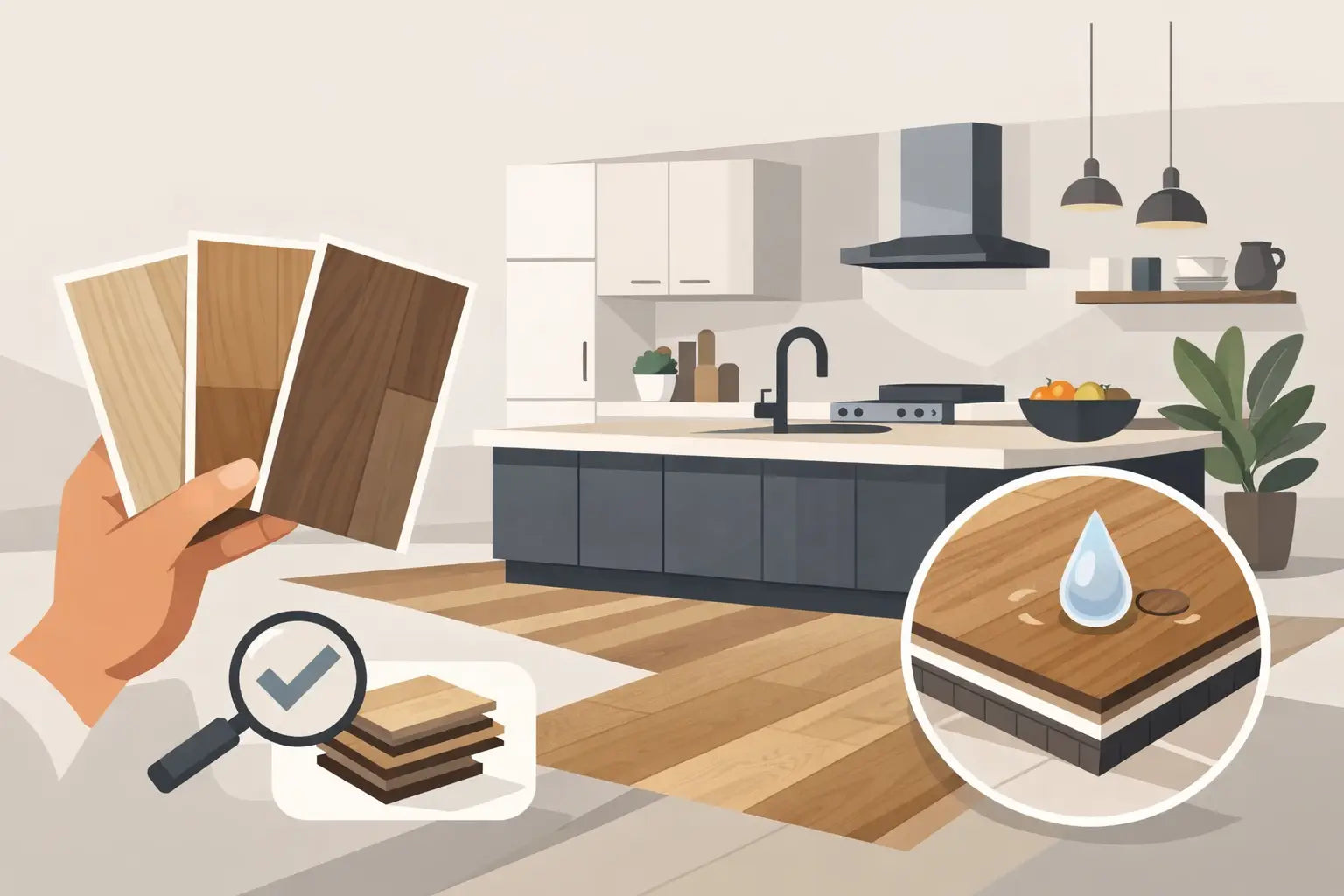
A kitchen floor gets tested every day. Chairs scrape, water drips, pets cut corners at full speed, and one dropped pan can expose a bad flooring choice fast. That is exactly why luxury vinyl flooring kitchen shoppers keep coming back to the same question - can it really deliver the look they want, the durability they need, and the price point that makes sense?
For a lot of homeowners, renovators, and project buyers, the answer is yes. Luxury vinyl has become one of the smartest kitchen flooring options on the market because it solves a real-world problem. You want a floor that looks high-end, handles moisture, and does not force you into hardwood-level pricing. When you can get first-quality material at liquidation pricing, the value gets even better.
Why luxury vinyl flooring works in a kitchen
Kitchens are hard on floors in ways living rooms are not. There is steady foot traffic, regular spills, heat fluctuations, and a lot of cleaning. Luxury vinyl flooring is built for that environment. Many products offer strong wear layers, water resistance or full waterproof construction, and a surface that is easier underfoot than tile.
That comfort factor matters more than people expect. If you spend time cooking, packing lunches, or standing at the counter for long stretches, a floor with a little give can feel noticeably better than stone or ceramic. It also tends to be quieter, which helps in busy family kitchens and open-concept layouts.
The other big reason buyers like it is design flexibility. Today’s luxury vinyl flooring kitchen styles do a much better job mimicking hardwood and stone than older vinyl products ever did. You can get realistic grain patterns, matte finishes, wider planks, and colors that fit everything from modern white kitchens to warmer, more traditional spaces.
What to look for in a luxury vinyl flooring kitchen floor
Not every vinyl floor is the same, and that is where some buyers make costly mistakes. The photo may look great, but performance depends on the construction.
Wear layer matters
The wear layer is one of the first specs worth checking. In a kitchen, you want enough surface protection to handle foot traffic, sliding stools, pet nails, and daily cleaning. A thicker wear layer usually means better long-term resistance to scratches and scuffs. If the kitchen is part of a busy household, this is not the place to go too cheap.
Waterproof vs. water-resistant
This distinction matters. Water-resistant flooring can handle everyday splashes, but waterproof construction gives you more protection if spills sit for a while or a dishwasher leaks. In a kitchen, more protection is usually the smarter buy. It adds peace of mind without pushing you into a much higher maintenance category.
Core construction
Rigid core products, including SPC and WPC options, are popular for kitchens because they add stability and durability. SPC tends to be denser and tougher, which makes it attractive for high-traffic spaces and active households. WPC can feel a bit softer underfoot. The right choice depends on whether your priority is maximum toughness or a little extra comfort.
Style and plank size
If you want a hardwood look, plank width and color tone make a major difference. Wider planks often create a more current, premium appearance. Lighter tones can make a small kitchen feel larger, while mid-tone wood looks are often the safest choice if you want warmth without showing every crumb.
The biggest benefits for value-focused buyers
Luxury vinyl earns its reputation in kitchens because it checks multiple boxes at once. It gives you the visual appeal people usually associate with more expensive materials, but without the same cost exposure. That matters whether you are remodeling your forever home, updating a rental, or improving a flip.
It is also generally easier and faster to install than many traditional flooring options. Depending on the product and subfloor condition, installation can be more straightforward than tile and less complicated than site-finished hardwood. Faster installs can help lower total project costs, which is a big deal if you are renovating on a schedule.
Maintenance is another selling point. Most kitchen owners want a floor that looks good without special treatment. Luxury vinyl usually needs basic sweeping and occasional damp mopping, not sanding, sealing, or refinishing. For busy households, that low-maintenance appeal is part of the value.
Then there is price. Premium flooring does not have to mean premium markup. For buyers who know how to shop, liquidation inventory can open the door to first-quality styles that look custom without the showroom sticker shock.
Where luxury vinyl flooring kitchen shoppers should be careful
This is not a category where every product is automatically a win. There are trade-offs, and smart buyers should know them.
Luxury vinyl is durable, but it is not indestructible. Sharp objects, heavy dragging, and poor installation can still create damage. If you expect it to behave exactly like ceramic tile under every condition, that is not realistic. It is tough, but it performs best when matched with the right household needs and installed correctly.
Subfloor prep also matters. A premium floor can still disappoint if the surface underneath is uneven. Rigid core products can hide some minor imperfections better than thinner materials, but they are not magic. The smoother the prep, the better the finished result.
Sunlight is another factor. Some kitchens get strong direct light for hours a day. Many modern luxury vinyl products handle this well, but it is still worth checking product specs and considering window coverage if the room gets intense exposure.
Best kitchen styles for luxury vinyl
One reason this category keeps gaining traction is that it works across design styles without forcing buyers into a narrow look.
If your kitchen is modern, cool-toned oak visuals, subtle gray-brown blends, and cleaner grain patterns tend to work well. If the space is more classic, warmer hickory or medium oak looks can add the right amount of depth without making the room feel dark. For farmhouse-inspired kitchens, matte finishes and natural-looking wood visuals are usually a strong fit.
Stone-look luxury vinyl can also work, especially if you want the upscale appearance of tile with a softer feel underfoot. This option can make sense in larger kitchens where you want a clean, polished look without the hardness and grout maintenance of traditional tile.
Installation and long-term performance
A kitchen floor is only as good as the install behind it. Click-lock luxury vinyl products are popular for a reason - they are efficient, clean-looking, and often well suited for remodel timelines. But efficiency should not mean rushing.
Transitions, cabinet clearances, undercutting around trim, and layout planning all affect the final look. In kitchens, details show. A floor that saves money upfront but looks careless around edges is not a bargain.
Long-term performance also depends on simple habits. Use felt pads under chairs and stools. Clean spills without letting them sit. Avoid harsh cleaners that can dull the finish. These are easy steps, and they help protect the look of the floor over time.
How to buy smarter without overpaying
A lot of flooring shoppers get pushed into a false choice - either pay premium showroom pricing or settle for low-grade material. That is not the only option.
The smarter move is to focus on first-quality flooring with the specs your kitchen actually needs, then buy from a source that cuts out unnecessary retail markup. That gives you a better chance of landing a floor that looks premium, performs well, and keeps your renovation budget intact.
This is where expert support matters too. Photos alone do not always tell you whether a floor is right for your kitchen’s traffic level, lighting, or design direction. Having guidance during selection can help you avoid mismatched color choices, underbuilt products, or overpaying for features you do not need. Tools like room visualization can also reduce guesswork before you commit.
Factory Flooring Liquidators is built around that value equation - premium first-quality flooring, aggressive liquidation pricing, and practical support that helps buyers make a confident choice without the usual showroom markup.
Is luxury vinyl flooring right for your kitchen?
If you want a kitchen floor that can handle daily wear, resist moisture, look high-end, and stay within budget, luxury vinyl deserves serious consideration. It is especially strong for busy homes, rental upgrades, remodels with cost targets, and projects where durability and style both matter.
The right product depends on how your kitchen is used. A high-traffic family kitchen may need a tougher wear layer and a rigid waterproof core. A lighter-use space may give you more flexibility to prioritize style first. Either way, the best results come from buying with clear expectations, not just chasing the cheapest box on the page.
A kitchen remodel has enough expensive decisions already. Your floor should be one of the smart ones - good-looking, hardworking, and priced like you knew where to shop.