
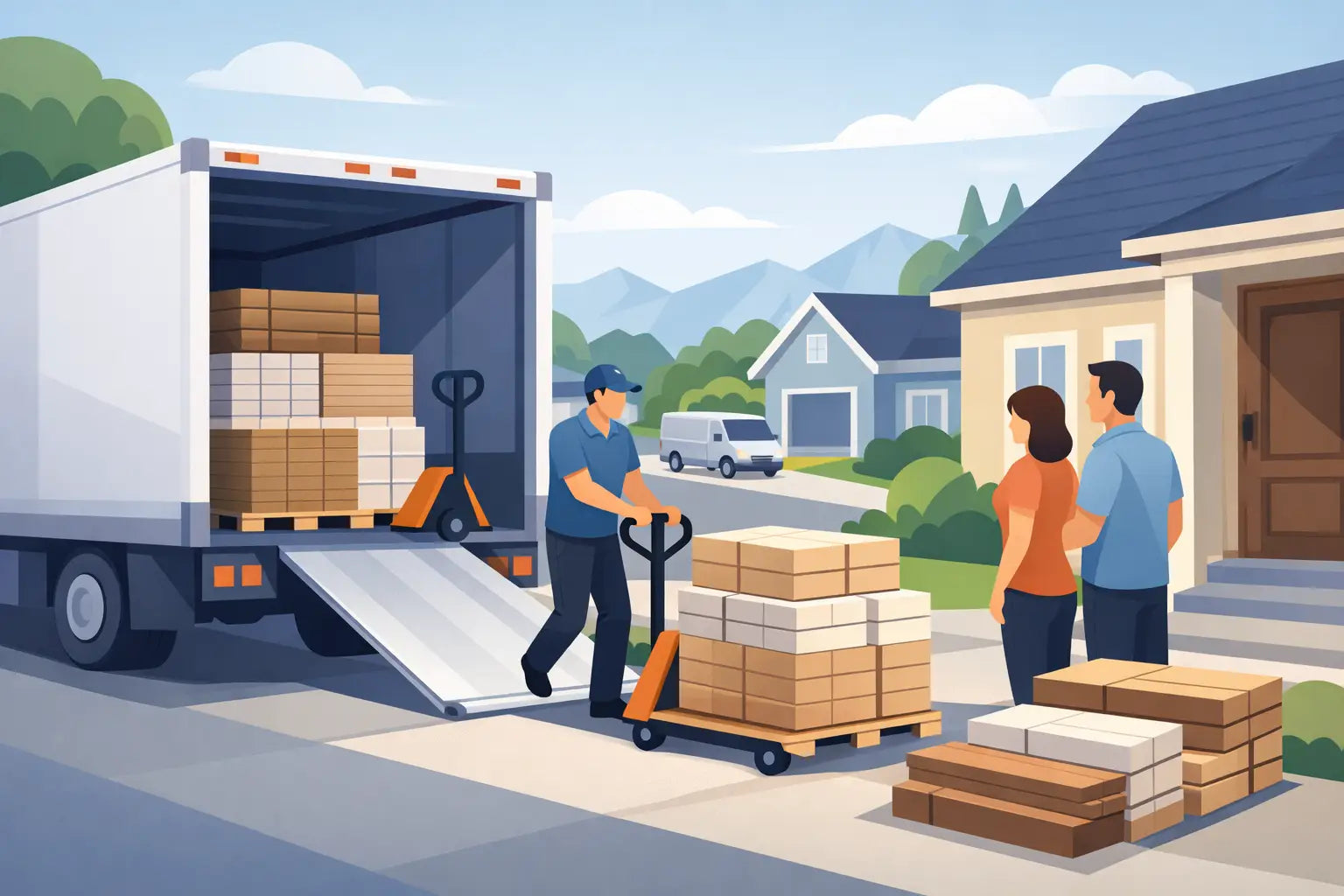
When you buy flooring online, the product is only half the decision. The other half is getting heavy, high-value material to your home without damage, confusion, or surprise costs. That is why safe and simple flooring LTL delivery service for residential orders matters so much. If you are buying hardwood, vinyl, or laminate for a remodel, rental, flip, or full-home update, the delivery experience can either protect your savings or chip away at them fast.
Flooring is not a small parcel purchase. These boxes are dense, bulky, and usually shipped in palletized quantities. Residential buyers often assume delivery works like standard package shipping, then run into issues when a truck arrives curbside with a full pallet and limited unloading support. The right LTL setup changes that. It gives homeowners access to nationwide shipping for premium first-quality flooring without forcing them into overpriced local showroom inventory.
Why residential flooring needs an LTL delivery service
LTL stands for less-than-truckload. Instead of paying for a full truck, your flooring shipment shares trailer space with other freight. For residential buyers, this is often the practical middle ground. It keeps shipping more affordable than a dedicated truck while still handling the order as palletized freight rather than loose boxes tossed through a parcel network.
That matters because flooring is vulnerable in very specific ways. Crushed corners, broken locking systems, moisture exposure, and poor stacking can turn a good deal into a frustrating claim. A safe and simple flooring LTL delivery service residential buyers can trust should be built around freight handling that fits the product. That means secure palletization, clear scheduling, and realistic delivery expectations before the truck is ever dispatched.
Price is another factor. Many homeowners want premium flooring, but not premium showroom markups. LTL freight helps support direct-to-consumer pricing because it moves larger flooring orders efficiently. You are not paying for a boutique retail supply chain at every step. You are paying for the material and a freight model that makes sense for the weight and volume.
What safe and simple flooring LTL delivery residential buyers should expect
Safe delivery starts before the shipment leaves the warehouse. Flooring should be stacked correctly, wrapped tightly, and protected on pallets that are stable enough for forklift movement and terminal transfers. If the freight is prepared poorly, the carrier is already working with a problem load.
Simple delivery is about communication. Residential customers should know what type of delivery they are getting, whether the truck includes liftgate service, where the freight will be placed, and what someone at the home needs to do at drop-off. Clear expectations prevent the most common frustrations.
A strong delivery process usually includes order confirmation, freight booking, transit updates, appointment coordination when needed, and straightforward receiving instructions. It should not feel vague or improvised. The best experience is one where you know what is coming, when it is coming, and how to receive it without scrambling.
There is also a trade-off to understand. LTL is cost-effective, but it is not white-glove room-by-room installation delivery. It is freight service. That means it is a smart fit for buyers who want serious savings on quality flooring and are prepared for pallet-based residential receipt. For many households, that is a very good trade.
The biggest concerns homeowners have with flooring freight
Most residential buyers worry about damage first, then convenience, then hidden fees. Those concerns are fair.
Damage risk usually comes down to packaging and handling discipline. Flooring needs to stay dry, flat, and supported. A well-run freight process lowers risk, but no freight method is magic. Buyers should always inspect the shipment at delivery, note visible issues clearly, and avoid signing blindly if the pallet shows major damage.
Convenience depends on the property. A single-family home with driveway access is different from a townhome, a tight urban street, or a gated community with truck restrictions. This is where expert support matters. Good pre-shipment planning can flag delivery limitations before the truck shows up.
Fees are the third concern. Residential freight can involve accessorial charges if the order needs extra services such as liftgate delivery, limited access handling, or appointment scheduling. That does not make the shipment overpriced. It just means freight pricing has moving parts. The smart approach is transparency up front so the customer is comparing real total value, not a low headline number followed by surprises.
How to make residential flooring delivery go smoothly
The best results come from matching the shipment to the home setup. Before ordering, confirm whether the delivery address can receive a freight truck comfortably. If access is tight, mention it early. If you need a liftgate because there is no dock or forklift, that should be arranged in advance, not requested after dispatch.
Once the order is on the way, make sure someone is available to receive it. That person should be ready to inspect the pallet wrap, check for crushed boxes or water exposure, and document anything unusual on the delivery receipt. This step protects the buyer. It is not about expecting trouble. It is about handling a valuable shipment the right way.
After delivery, move the flooring indoors as soon as possible and store it according to product guidelines. Hardwood, vinyl, and laminate each have their own acclimation and storage considerations. Freight can get the product safely to your property, but proper post-delivery handling helps preserve quality before installation.
Why direct-to-consumer flooring works with LTL freight
Online flooring shoppers are usually doing the math carefully. They want first-quality material, not builder-grade compromise, but they also want to avoid inflated retail pricing. That is exactly where LTL delivery supports value.
By shipping palletized flooring directly to residential customers across the mainland US, a retailer can offer broader selection and stronger pricing without the overhead of a traditional showroom model. That makes premium hardwood, vinyl, and laminate more attainable for home upgrades, investment properties, and renovation budgets that need to stay disciplined.
This model also works because flooring is a planned purchase. Buyers compare wear layers, finishes, visuals, and square footage before they check out. They are not impulse-buying a few loose boxes. LTL freight fits that larger, more intentional order pattern better than standard parcel shipping ever could.
For value-focused buyers, the bigger point is simple. If the flooring is first-quality and the freight process is handled correctly, you get a better class of product delivered to your home without paying local retail premiums just to access it.
When LTL is the right choice and when it depends
For most medium to large residential flooring orders, LTL is the right fit. It is especially practical for whole rooms, multi-room projects, basement updates, rental turnovers, and investor renovations. The heavier the order, the more logical pallet freight becomes.
It depends more when the order is very small, the site is difficult to access, or the buyer expects premium in-home placement as part of the shipment. In those cases, freight still may work, but expectations have to match the service level. A curbside or driveway freight drop is not the same thing as a full-service moving crew.
That said, many buyers do not need luxury delivery treatment. They need premium flooring, dependable transport, and straightforward savings. For that buyer, LTL is often the smartest option on the table.
Factory Flooring Liquidators serves exactly that kind of customer - homeowners and project buyers who want premium floors at unbeatable liquidation prices, backed by expert support and nationwide access. The delivery model is part of the value, not an afterthought.
The right flooring deal is not just about what you pay per square foot. It is also about whether the product arrives protected, on time, and ready for the next step. Get that part right, and buying premium flooring online starts to feel a lot less risky and a lot more like the smart move it should be.