
A beautiful new floor can still feel hollow, sound louder than expected, or develop avoidable issues when the layer beneath it is wrong. This underlayment floors guide helps homeowners, renovators, and property professionals match the right underlayment to the flooring, subfloor, and room - without paying for features their project does not need.
Underlayment is not a one-size-fits-all add-on. Some floors need a moisture barrier, some need sound reduction, and some need no separate underlayment at all. The most reliable choice starts with the flooring manufacturer’s installation requirements, then accounts for the condition of the subfloor and how the room will be used.
What Underlayment Does Beneath a Floor
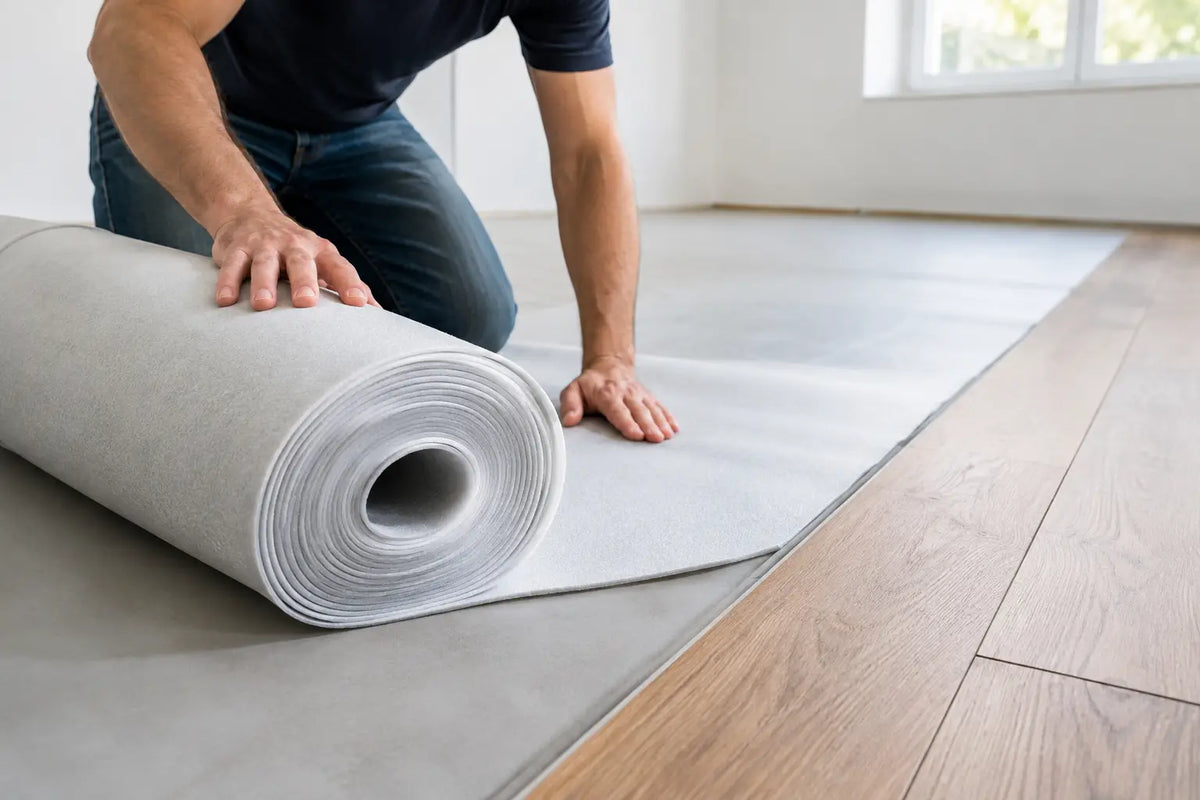
Underlayment is a material installed between the subfloor and certain floating or engineered flooring products. Depending on the product, it can help reduce minor subfloor imperfections, soften footfall sound, manage moisture vapor, and improve the feel of the finished floor.
Its role is practical, not magical. Underlayment cannot correct a badly uneven subfloor, repair structural movement, or make a non-waterproof floor suitable for persistent moisture. If the subfloor has major dips, high spots, damage, or moisture concerns, those conditions should be evaluated and addressed before the flooring goes down.
For homeowners comparing first-quality closeout flooring, this distinction matters. A factory-closeout price can create excellent project value, but proper installation materials still protect that investment. Choosing the compatible underlayment helps ensure the floor performs as intended.
Underlayment Floors Guide: Start With Your Flooring Type
The flooring itself is the first decision point. Each category has different installation methods and different needs beneath the planks or boards.
Laminate flooring
Many laminate floors are installed as floating floors, which means the planks lock together and rest over the underlayment rather than being fastened directly to the subfloor. Underlayment is commonly required for laminate unless the product already includes an attached pad.
For a wood subfloor in a dry, above-grade room, a standard foam or sound-reducing underlayment may be appropriate if allowed by the manufacturer. Over concrete, moisture protection is often a bigger consideration. Some products combine cushioning and a vapor barrier, while others require a separate approved moisture barrier.
Do not assume thicker is better. An underlayment that is too thick or too soft can affect how a floating laminate floor locks together and moves underfoot. Compatibility always matters more than added padding.
Luxury vinyl and waterproof flooring
Luxury vinyl plank and waterproof flooring are popular for kitchens, living areas, rentals, and busy households because they offer durable, easy-care surfaces with a wide range of looks. Yet underlayment rules vary significantly by product.
Many click-lock vinyl floors can be installed with a specific thin underlayment, especially when sound reduction is needed. Others are designed for direct installation over an approved, properly prepared subfloor. Vinyl flooring with an attached pad may not allow an additional pad beneath it. Adding one anyway can create excessive movement and may conflict with product installation requirements.
For this category, a smooth, flat subfloor is particularly important. Underlayment may reduce slight texture, but it will not hide meaningful unevenness that could telegraph through the flooring or stress locking joints.
Engineered hardwood
Engineered hardwood may be floated, glued down, or installed using another approved method, depending on the product and subfloor. A floating engineered hardwood installation may use an underlayment that provides cushioning, sound control, or moisture management. Glued-down installations typically follow a different system and may use an adhesive with moisture-control properties when appropriate.
The right choice depends on the exact floor, the installation method, and the subfloor. This is a category where reading the product specifications before purchasing installation materials can prevent costly changes later.
Solid hardwood
Solid hardwood has more specific installation requirements than floating floors. It is often mechanically fastened to an approved wood subfloor, and the materials used beneath it may serve a moisture-management function rather than act as a cushioned pad.
Solid hardwood is not simply installed over any soft underlayment. The fastening method, subfloor type, site conditions, and manufacturer instructions should guide the process. For whole-home projects or high-value hardwood purchases, professional installation guidance is often worthwhile.
Moisture Barriers and Vapor Management
Moisture is one of the most misunderstood parts of underlayment selection. A vapor barrier is designed to slow moisture vapor coming from below, often a concern with concrete slabs. It is not a solution for active water intrusion, a wet slab, plumbing leaks, or flooding.
Concrete can release moisture vapor even when it looks dry. That is why many floating-floor installations over concrete call for a compatible vapor barrier or an underlayment with integrated moisture protection. The flooring instructions will identify the required product type, thickness, overlap, and seam treatment.
Wood subfloors present a different situation. They may need moisture management depending on what is below them, the climate, the floor system, and the flooring being installed. Avoid using a vapor barrier automatically just because it seems like extra protection. An incompatible layer can trap moisture where it does not belong.
Sound Control: Helpful, but Not the Only Goal
Sound-rated underlayment can make a room feel more comfortable by reducing footfall noise and limiting sound transfer to spaces below. It is especially worth considering in upstairs bedrooms, condos, apartments, and multi-level homes.
Still, sound control claims should be considered in context. Results depend on the complete assembly: the flooring, subfloor, ceiling construction, room furnishings, and installation details all influence what people hear. A premium sound underlayment may be a smart upgrade in the right setting, but it cannot overcome every source of noise.
For investment properties and rentals, balance the added cost against the property’s goals. A durable, manufacturer-approved underlayment can support tenant comfort and help protect a quality flooring installation, while an unnecessary upgrade may not improve the return on the project.
Attached Pads vs. Separate Underlayment
Attached-pad flooring simplifies material selection because the manufacturer has already paired the floor with a backing layer. This is common with many luxury vinyl and laminate options. It can also create a cleaner installation plan because there is one less material to purchase and manage.
The trade-off is that an attached pad does not automatically include moisture protection or meet every sound-control requirement. When installing over concrete, for example, the flooring instructions may still call for a separate moisture barrier. Conversely, installing an extra cushioned underlayment beneath a floor with an attached pad may be prohibited.
Before ordering, confirm whether the floor has an attached pad and whether any additional layer is approved. This small check can prevent purchasing material that cannot be used.
Common Underlayment Mistakes to Avoid
The most common mistake is choosing underlayment by price or thickness instead of compatibility. A bargain roll is not a value if it is unsuitable for the flooring system. The same is true of buying a premium product with features the room does not need.
Another issue is treating underlayment as a fix for subfloor problems. If the floor feels uneven before installation, the proper solution may be subfloor preparation, not a thicker pad. Floating floors need a stable, level surface within the manufacturer’s stated tolerances.
Finally, do not overlook transitions, expansion space, and moisture conditions. Underlayment is only one part of a successful installation. The flooring, subfloor, trim details, and room environment all work together.
How to Buy the Right Amount
Measure the floor area carefully and add a practical allowance for cuts, layout changes, and waste. Underlayment is generally sold by coverage area, but rolls and sheets vary, so compare the actual coverage listed on the package to your measured square footage.
If your flooring will run through multiple connected rooms, plan the installation as a complete system. Doorways, transitions between spaces, and changes from concrete to wood subfloor can affect which materials are needed. For larger projects, contractors and remodelers should confirm the product requirements before ordering so all compatible materials arrive together.
Factory Flooring Liquidators helps shoppers compare first-quality hardwood, luxury vinyl, waterproof flooring, and laminate options at exceptional factory-closeout value. Inventory can change with overstock, discontinued, end-of-run, and special-buy opportunities, so it is smart to confirm the flooring’s specifications and installation requirements while the product is available.
The best underlayment is the one that fits the floor you selected, the surface beneath it, and the way the room will be used. Start with the manufacturer’s directions, ask questions before placing the order, and let the flooring system - not guesswork - determine the layer beneath your new floor.