
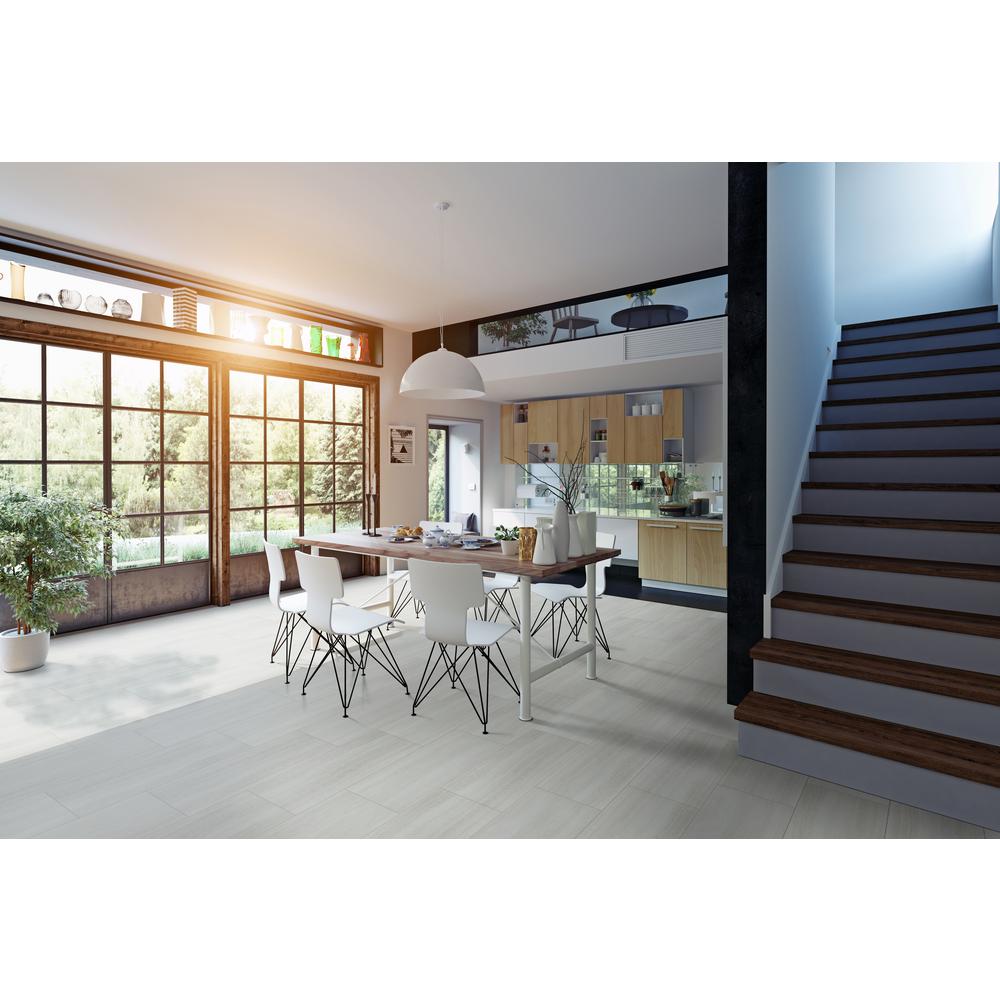
Learn what engineered wood flooring is, how it’s made, and how it compares to solid hardwood. Discover benefits, durability, installation options, and best uses.
Engineered wood flooring has become one of the most popular hardwood alternatives for homeowners who want the beauty of real wood with added durability and installation flexibility. But what exactly is engineered flooring — and how does it compare to solid hardwood?
This guide breaks down what engineered wood is made of, how it performs, where it can be installed, and why it’s often the smarter choice for modern homes.
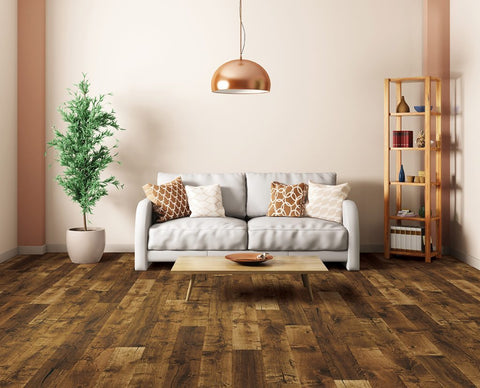
Engineered Wood vs. Solid Hardwood: What’s the Difference?
One of the most common questions homeowners ask is how engineered hardwood differs from solid hardwood.
According to your article, engineered wood is constructed from multiple layers of hardwood and plywood, while solid hardwood is a single solid piece of wood with no layers .
This layered construction gives engineered flooring several advantages:
-
Better stability
-
Less risk of warping
-
More installation options
Solid hardwood is beautiful, but engineered hardwood offers more flexibility — especially in homes with moisture concerns.
How Engineered Wood Flooring Is Made
Engineered hardwood is built using multiple layers of wood, each positioned in a different direction to increase stability and performance .
Why this matters
This cross‑layered construction prevents the floor from warping or bowing in moist areas, something solid hardwood is more prone to .
Where it can be installed
Because of its stability, engineered hardwood can be installed:
-
On any grade level
-
Including below ground (basements)
-
As long as a moisture barrier is used
This makes engineered wood far more versatile than solid hardwood.
The Beauty of Real Wood — With Added Strength
Engineered hardwood includes a real hardwood veneer, giving it the same natural beauty and authentic look as solid hardwood flooring .
You get the appearance of real wood, but with better performance and easier installation.
Styles, Species & Finishes Available
Engineered hardwood comes in a wide range of styles to match any home design.
Popular wood species
Your article lists today’s most in‑demand species:
-
Hickory
-
Oak
-
Maple
-
And more
Finish options
Engineered hardwood is available in:
-
Matte
-
Semi‑gloss
-
High‑gloss finishes
Surface textures
To add character and depth, engineered wood can feature:
-
Hand‑scraped textures
-
Distressed finishes
-
Wire‑brushed surfaces
Whether your style is classic, rustic, or modern, engineered hardwood offers a look that fits your home’s personality

Durability & Performance
Engineered hardwood is known for its durable, high‑performance construction .
Why it performs so well
-
Multi‑layer construction increases stability
-
Less prone to moisture‑related issues
-
Suitable for more rooms than solid hardwood
No matter where you install it, engineered hardwood creates a beautiful, eye‑catching statement with a strong, durable surface No matter where you install it, engineered hardwood creates a beautiful, eye‑catching statement with a strong, durable surface

How Thick Is Engineered Wood Flooring?
Engineered flooring typically ranges from 3/8” to 3/4” thick, while solid hardwood ranges from 1/2” to 3/4” .
Thickness affects:
-
Stability
-
Lifespan
-
Ability to refinish
How Long Does Engineered Hardwood Last?
With proper care, engineered hardwood can last a lifetime — depending on:
-
Veneer thickness
-
Flooring quality
-
Maintenance habits
All three factors play a major role in longevity
Where Can You Install Engineered Hardwood?
Thanks to modern manufacturing, engineered hardwood can be installed in any room, including:
-
Living rooms
-
Bedrooms
-
Hallways
-
Basements
-
Even bathrooms (with moisture precautions)
This flexibility is one of its biggest advantages over solid hardwood.
Is Engineered Hardwood Affordable?
Yes — engineered hardwood is less expensive than solid hardwood, making it easier to install in multiple rooms without sacrificing style or quality
Final Thoughts
Engineered hardwood offers the perfect balance of:
-
Real wood beauty
-
Superior stability
-
Moisture resistance
-
Versatile installation
-
Long‑term durability
-
Lower cost
If you want the look of hardwood with fewer limitations, engineered flooring is one of the smartest choices for today’s homes.
Engineered vs Solid Hardwood — Comparison Table
This table is designed for SEO, readability, and Google Featured Snippets.
Feature Engineered Hardwood Solid Hardwood Construction Multi‑layer core + real wood veneer Single solid piece of wood Stability Highly stable; resists warping Can warp with moisture & humidity Installation Locations Any level, including basements Above grade only Moisture Resistance Better moisture tolerance Poor moisture tolerance Refinishing Limited (depends on veneer thickness) Can be refinished many times Cost More affordable More expensive Appearance Real hardwood look Real hardwood look Best For Homes needing stability, basements, Texas climate Dry, stable environments Lifespan Long‑lasting with proper care Extremely long with refinishing -