
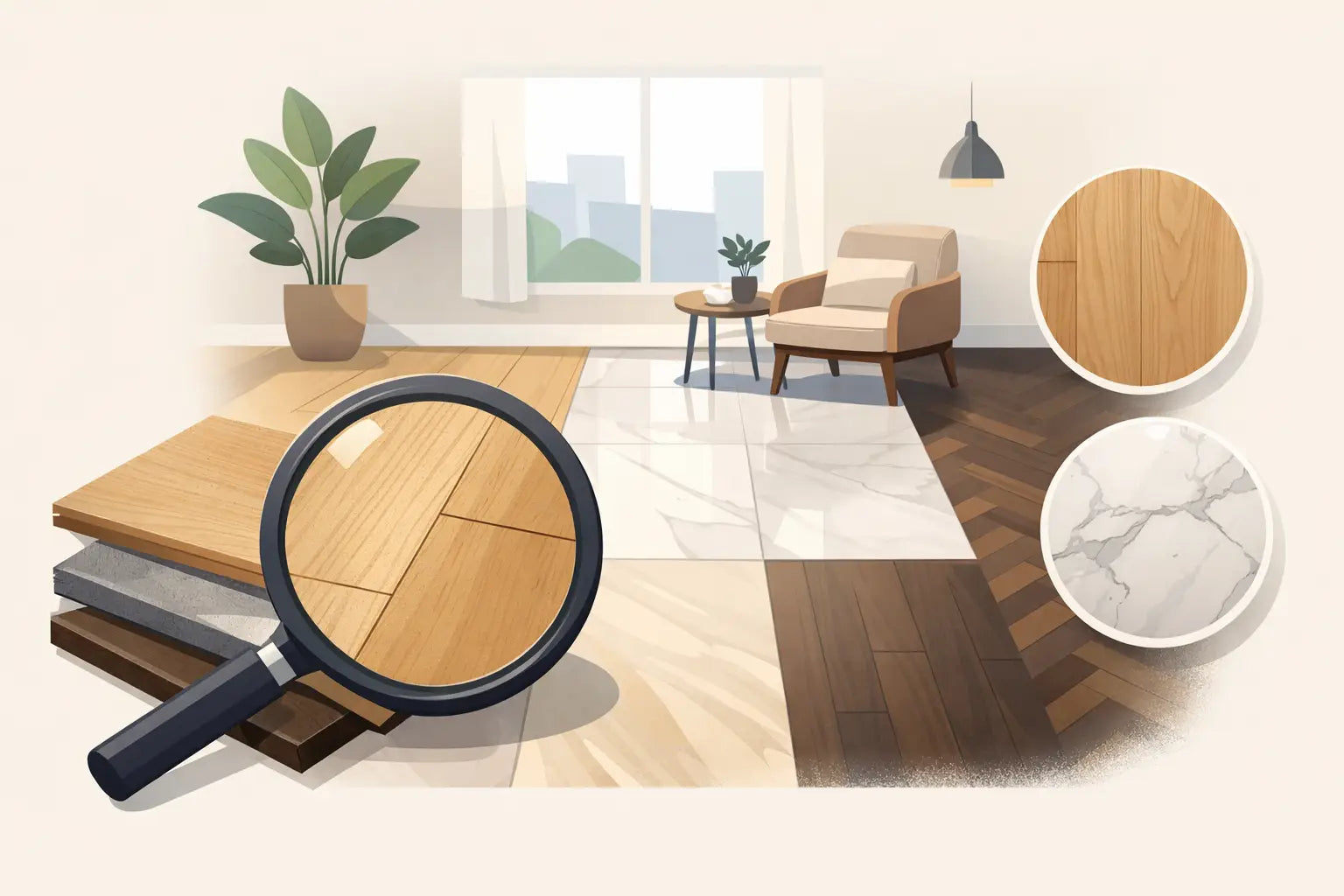
A floor can make a room look finished, current, and far more valuable - or make every other upgrade feel like a compromise. So, what is the cheapest flooring that still looks expensive? For most homes, the answer is not bargain-bin carpet or thin peel-and-stick tile. It is a well-chosen first-quality luxury vinyl plank or laminate floor with realistic visual detail, a substantial profile, and a color that works with the room.
The key is buying smart, not simply buying the lowest price per square foot. A floor that looks premium needs believable texture, proportionate planks, clean installation, and the durability to keep its finish. Liquidation-priced hard-surface flooring can put those details within reach without the traditional showroom markup.
The Short Answer: Luxury Vinyl Plank Usually Wins
Luxury vinyl plank, commonly called LVP, is often the strongest value for homeowners, renovators, rental owners, and flippers who want an expensive look on a controlled budget. Quality LVP can convincingly replicate wide-plank oak, hickory, maple, stone, and other designer finishes while offering water resistance and low-maintenance performance.
Its appeal is practical as well as visual. LVP feels more substantial than entry-level sheet vinyl, handles busy households well, and is suitable for many moisture-prone areas where solid hardwood is not. It is also available in long, wide planks and embossed textures that create the visual scale people associate with higher-end wood flooring.
That said, not every vinyl plank looks expensive. Very thin products, overly glossy surfaces, repeated board patterns, and narrow strips can immediately signal a budget installation. Choose first-quality LVP with a convincing low-sheen finish, varied plank visuals, and a wear layer appropriate for the traffic in your home or project.
What Is the Cheapest Flooring That Still Looks Expensive in Each Room?
There is no single material that is the best deal for every space. The right answer depends on water exposure, traffic, subfloor condition, installation costs, and the look you are trying to achieve.
For kitchens, baths, and basements: Luxury vinyl
Waterproof or highly water-resistant luxury vinyl is hard to beat in spaces where spills, humidity, or moisture are part of daily life. A warm oak-look plank can give a kitchen the tailored appearance of hardwood without asking you to worry about every dropped ice cube or pet bowl spill.
In a basement, vinyl also avoids some of the risks associated with natural wood over concrete. The finished room can still look polished, especially when the flooring runs continuously from an adjacent living area. Consistent flooring across connected rooms is one of the simplest ways to create a more expensive, intentional result.
For bedrooms, living rooms, and rentals: Laminate
Modern laminate is another excellent answer, particularly in dry areas. It can offer sharp wood visuals, durable surfaces, and a more rigid underfoot feel than some entry-level vinyl products. High-quality laminate often has detailed texture and attractive plank proportions that make it look far more upscale than its price suggests.
Laminate is especially compelling for rentals, bedrooms, and whole-home remodels where you need a lot of coverage for the budget. It does have limits. While many newer products offer meaningful water resistance, laminate is generally not the first choice for a full bathroom or a room with frequent standing water. Check the product's moisture specifications instead of assuming all laminate performs the same way.
For the most authentic result: Engineered hardwood at liquidation pricing
If real wood is nonnegotiable, engineered hardwood can be the affordable route to a truly premium floor. It has a real hardwood veneer, so it delivers natural grain variation and the warmth that imitation products aim to recreate. At traditional retail pricing, it may sit outside a budget-focused project. At liquidation pricing, select first-quality engineered hardwood can become a realistic upgrade.
Engineered hardwood is not automatically the cheapest option, and it needs more care than vinyl or laminate. But it can be the best value when the project calls for an unmistakably real-wood finish, especially in a primary living area, a higher-end renovation, or a property where material authenticity supports the asking price.
The Details That Make Affordable Flooring Look Premium
A floor's price tag matters less than its visual cues. Premium-looking flooring tends to have a few traits in common: wider or longer planks, a matte or low-gloss finish, realistic color variation, and a surface texture that follows the grain pattern. These details reduce the flat, repetitive appearance that makes inexpensive flooring stand out for the wrong reasons.
Color selection matters just as much. Light natural oak, medium warm brown, and muted greige wood tones usually offer broad appeal and work with more paint, cabinet, and furniture choices than extreme gray or very dark floors. The goal is not to chase a short-lived trend. It is to select a finish that makes the room feel clean, calm, and intentionally designed.
Installation is the other half of the equation. Even a premium product can look cheap if transitions are awkward, baseboards are damaged, or the floor is installed over a visibly uneven subfloor. Budget for basic prep, proper underlayment when required, and coordinated trim. These are smaller line items than a complete flooring upgrade, but they heavily influence the final impression.
Do Not Chase the Lowest Price Per Square Foot
The cheapest box on the shelf is rarely the cheapest finished floor. A very low-priced product may require more waste, have limited pattern variation, lack the durability needed for the space, or need replacement much sooner than expected. If installation is involved, replacing a failed floor can cost more than choosing a better material from the start.
Compare the complete value: material quality, thickness or construction, wear protection, water performance, installation method, available matching trim, and the amount of flooring needed for cuts and waste. For a straightforward rectangular room, buyers often order extra material for cuts. Rooms with diagonal layouts, many closets, or complex angles may require more. Accurate measurements prevent a great deal from becoming an expensive reorder.
For investors and contractors, this is where a first-quality liquidation purchase can make a major difference. You are not settling for a low-grade product just to hit a number. You are using discounted pricing to move up into a material that helps the finished space rent, sell, or photograph better.
How to Make the Final Choice With Confidence
Start with the room, not the trend. Identify whether water resistance is essential, whether pets or heavy traffic are involved, and whether the room connects to existing flooring. Then narrow the look to two or three colors that complement fixed elements such as cabinets, countertops, brick, and paint.
Before committing, view the flooring in a room setting rather than judging a small sample alone. A room visualizer can help you see whether a pale oak opens up the space or whether a medium-tone plank gives it the contrast it needs. It is also worth asking for expert guidance on product construction and installation requirements, especially when you are ordering for a large project or shipping nationwide.
Factory Flooring Liquidators focuses on this value equation: premium first-quality hard-surface flooring offered at aggressive liquidation prices, backed by practical buying support. That gives shoppers a better path than paying showroom pricing for the look they want or accepting entry-level materials they may regret.
The best affordable floor is the one that still looks right after the furniture moves in, the sunlight hits it, and real life begins. Choose a believable wood or stone visual, buy enough quality for the room's demands, and put the savings toward the details that make the entire space feel finished.