
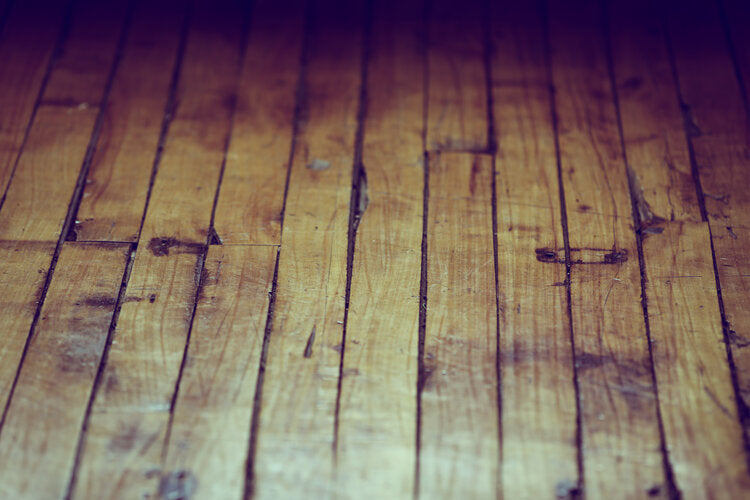
Learn the top signs your hardwood floors need refinishing, including water damage, scratches, graying, sun fading, and worn areas. Keep your floors protected and beautiful.
Hardwood floors bring warmth, beauty, and long‑lasting value to any home. But even the best‑maintained floors eventually show signs of wear. Knowing when it’s time to refinish your hardwood floors can save you money, prevent long‑term damage, and keep your home looking its best.
If you’re unsure whether your floors need more than routine cleaning, here are the top signs it’s time to refinish, based on the most common issues homeowners face in Dallas and across the U.S.
1. Water Damage
Water is hardwood’s biggest enemy. Even small leaks can cause staining, and severe water exposure can lead to:
-
Warping
-
Cupping
-
Buckling
Minor water stains can often be fixed by sanding and refinishing, but major water damage requires board replacement. The sooner you act, the more you save.
2. Scratches
Light scratches are normal, especially in high‑traffic areas. But deep scratches that cut into the wood are a problem — they allow moisture to penetrate and cause long‑term damage. If scratches reach the raw wood, refinishing is necessary.
3. Gouges & Chipping
Homes with kids, pets, or heavy furniture often develop gouges or chipped boards. These deeper marks expose the wood to water and can create splintering hazards. Refinishing smooths the surface and protects the wood.
4. Graying or Discoloration
If your hardwood is turning gray, it’s not aging — it’s oxidizing. This means the protective polyurethane layer has worn off, and the wood is absorbing water from everyday humidity. Left untreated, gray wood eventually turns black, requiring full replacement. Refinishing early prevents structural damage.
5. Excessive Staining
Some stains can be cleaned, but when staining becomes widespread or permanent, sanding and refinishing are the only solutions. Stains that penetrate the wood won’t come out with surface cleaners.
6. Sun Damage
Direct sunlight can fade hardwood floors, leaving washed‑out or uneven patches. While stain can help, only refinishing fully restores the color and protects the wood from future UV damage.
7. Worn or Bare Areas
High‑traffic zones like hallways, doorways, and under dining chairs often lose their finish first. Once the stain wears off, the wood becomes vulnerable to splintering and moisture damage. Refinishing restores protection and prevents costly repairs.

Refinish or Replace? (Comparison Table)
| Condition | Refinish | Replace |
|---|---|---|
| Light scratches | ✔ Yes | ✘ Not needed |
| Deep scratches / gouges | ✔ Sometimes | ✔ If wood is compromised |
| Water stains | ✔ Yes | ✔ If warped/cupped |
| Graying / oxidation | ✔ Yes | ✘ Replace if blackened |
| Sun fading | ✔ Yes | ✘ Replace only if boards damaged |
| Worn traffic areas | ✔ Yes | ✘ Replace if splintering |
| Structural damage | ✘ No | ✔ Yes |
| Want a new color | ✔ Yes | ✔ Optional |
How to Test If Your Floor Needs Refinishing
Your article includes a great homeowner test: Pour a tablespoon of water on a worn area. If the water:
-
Beads up → Your seal is still intact
-
Soaks in → Your finish has failed and refinishing is needed
This simple test helps prevent long‑term moisture damage.
Can You Refinish Just to Change the Color?
Yes — refinishing is the easiest way to update your home’s style. If your floors are in good condition, sanding and applying a new stain can completely transform your space and increase resale value.
Should You Hire a Professional?
Refinishing hardwood floors requires skill, proper sanding equipment, and experience. A professional ensures:
-
Even sanding
-
Correct stain application
-
Long‑lasting protective finish
This protects your investment and extends the life of your floors.