
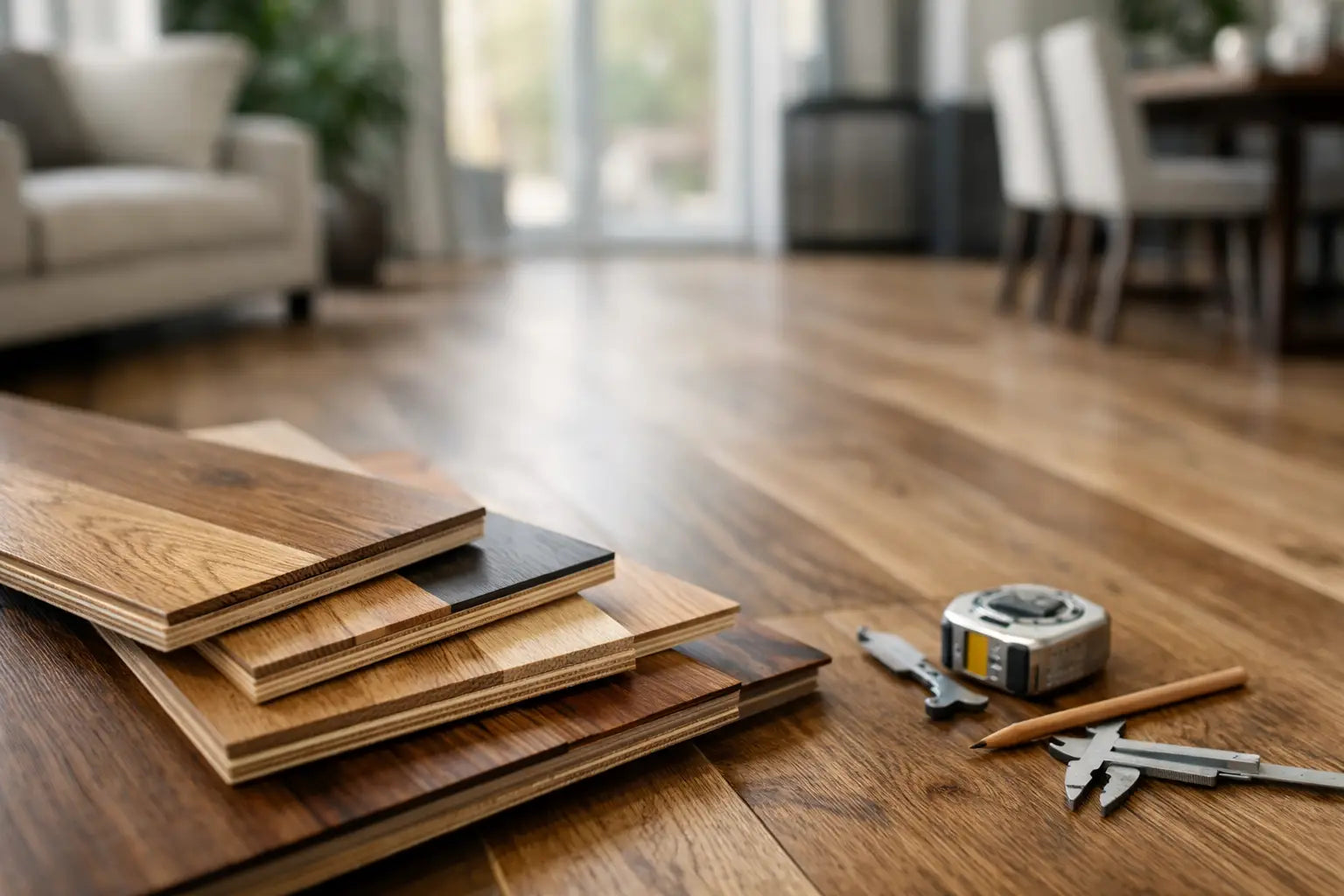
A brand name can be a useful starting point, but it should not make the flooring decision for you. The best engineered hardwood flooring brands are the ones that offer the right construction, visual style, finish, and available quantity for your specific project - whether that is a busy family home, a Dallas-Fort Worth renovation, or a rental property across the country.
That distinction matters because two engineered hardwood collections from the same manufacturer can perform very differently. One may have a thicker wear layer and a durable matte finish suited to an active household, while another is designed around a particular color, plank width, or budget. Smart buyers compare the product first, then the label on the carton.
For homeowners, builders, and investors, factory-closeout inventory creates another advantage: the opportunity to purchase first-quality engineered hardwood from respected manufacturers at exceptional value. Closeout, overstock, discontinued, and end-of-run products are not automatically lesser products. They are often excellent floors with a limited available quantity, which makes planning and ordering carefully especially important.
What Separates the Best Engineered Hardwood Flooring Brands
A worthwhile engineered hardwood brand builds consistency into the parts of the floor you cannot always see once it is installed. That begins with the core. Quality engineered planks use layered wood construction designed for stability, with a real hardwood veneer on top. The veneer provides the species, grain, and natural variation people expect from wood flooring, while the layered base helps manage normal seasonal movement better than a solid plank in many settings.
The thickness of that real-wood wear layer deserves close attention. A thicker veneer can provide more flexibility for future refinishing, although refinishing is not necessary for every floor or every homeowner. A thinner veneer may still be an excellent fit for a property where the goal is attractive, first-quality hardwood at a strong project value. The right choice depends on how long you plan to own the home, traffic levels, and whether preserving refinishing options is a priority.
Finish quality also separates stronger collections from merely attractive samples. Look for a finish designed to handle ordinary household use, with a sheen level that works for your lifestyle. Low-sheen and matte looks are popular because they tend to make dust, small scratches, and natural grain variation less noticeable than a high-gloss surface. That does not mean they are damage-proof. Hardwood is real wood, and dents, scratches, and moisture exposure still require reasonable care.
Finally, the best brands offer clear product information. Buyers should be able to understand plank dimensions, total thickness, installation method, grade or character, and appropriate room use. Transparent specifications make it easier to compare a premium wide-plank floor against a more value-oriented option without guessing what is behind the price difference.
Best Engineered Hardwood Flooring Brands: Look Beyond the Name
There is no single best brand for every house. A dramatic wire-brushed oak may be the right choice for a design-forward whole-home renovation, while a clean, neutral European oak look may better support a rental refresh or a resale-focused flip. The best choice is the collection that fits the project requirements without forcing unnecessary compromises.
Start with the visual direction. Engineered hardwood is available in classic oak looks, character-rich surfaces, lighter natural tones, warm browns, and contemporary wide planks. Natural variation is part of the appeal, especially in products with knots, mineral streaks, color movement, and textured finishes. If you prefer a quieter, more uniform appearance, review samples and product photos closely so the character level matches your expectations.
Then consider plank width and room scale. Wide planks can make open living areas feel more expansive and highlight the grain of the wood. Narrower planks can be a practical fit for traditional spaces, smaller rooms, or projects where a classic hardwood appearance is the goal. Longer and wider boards may create a more premium visual effect, but they can also affect material cost, layout, and installation planning.
Construction should guide the final comparison. Product thickness, veneer thickness, core design, edge detail, and installation requirements all matter. A floor that looks similar at first glance may offer a different long-term value because of the materials and construction beneath the finish. For a home with pets, children, or frequent entertaining, prioritize a finish and color that will live comfortably with normal activity rather than choosing solely by a showroom-perfect photo.
How Closeout Hardwood Changes the Brand Conversation
Traditional flooring shopping often starts with a fixed brand and collection, followed by a search for the best available price. Factory-closeout sourcing works differently. It gives shoppers access to changing opportunities across a broad selection of first-quality products, including overstock, discontinued collections, special buys, and end-of-run inventory.
That can be especially valuable when a premium collection becomes available at a price that better fits the overall renovation budget. Savings on flooring can create room in the project for other priorities, such as cabinetry, lighting, appliances, or professional installation. The value is not simply about spending less. It is about buying more appropriate quality for the budget you have.
The trade-off is that closeout inventory can be finite. If a specific color and collection are ideal for your project, confirm current availability before finalizing design decisions. Order enough material for the main installation, plus a reasonable allowance for cuts, layout, and future repairs if appropriate. For large projects, confirm that the available quantity supports the full scope before you commit.
A discontinued color is not a problem when the quantity is right and the product suits the space. It only becomes a concern when a project is expanded later and matching material is no longer available. This is why honest inventory guidance is as valuable as a well-known name on the box.
Match the Floor to the Property
For a primary residence, style and daily life should carry equal weight. A family may prefer a textured, lower-sheen oak that feels relaxed and forgiving, while a homeowner updating a formal space may choose a cleaner finish with less visible character. Consider how the floor connects adjoining rooms, cabinetry, paint colors, and natural light. Wood undertones can shift noticeably from morning to evening, so samples are worth reviewing in the actual room whenever possible.
For rentals, investment properties, and flips, focus on broad appeal, practical maintenance, and a finish that supports the property’s price point. A neutral engineered hardwood floor can create a stronger first impression than a highly specific trend. At the same time, choosing the least expensive option without considering construction, appearance, or available quantity can create costly limitations later.
For contractors and remodelers, dependable specifications and a straightforward purchasing process are often just as important as the visual. Confirm the installation method, subfloor requirements, acclimation guidance from the manufacturer, transitions, trim needs, and delivery timing before scheduling labor. Engineered hardwood can be installed in a variety of ways depending on the product, but the exact instructions for that collection should always lead the plan.
Questions to Ask Before You Buy
Before selecting among engineered hardwood brands and collections, ask a few practical questions: Does the available quantity cover the project with an appropriate allowance? Is the plank construction aligned with the room and expected traffic? Does the color work with fixed finishes already in the home? And are you comfortable with the natural character shown in the product?
Also think beyond the initial purchase. Hardwood flooring should be protected from standing water, cleaned with products appropriate for finished wood, and cared for with entry mats and furniture protection. Engineered hardwood is a durable, beautiful choice for many interiors, but it is not the right response to every moisture concern. Choosing the right floor for the room is part of protecting your investment.
At Factory Flooring Liquidators, the goal is to make that comparison easier: first-quality engineered hardwood, changing factory-closeout opportunities, knowledgeable guidance, and nationwide delivery from a DFW-based flooring specialist. The strongest purchase is not the one with the most familiar label. It is the floor that looks right, performs for the way you live, fits the project scope, and delivers real value long after installation day.