
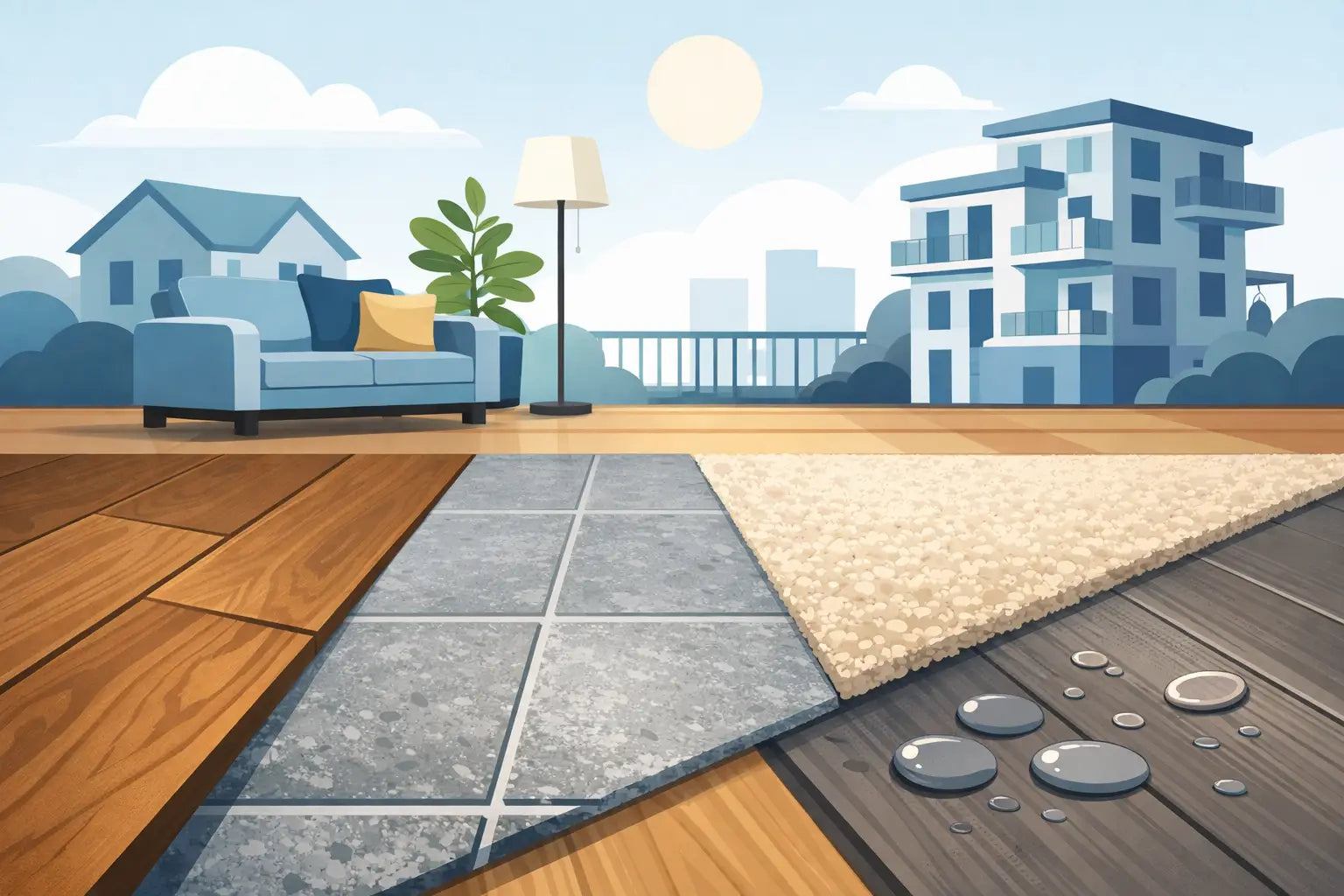
A rental floor does not need to survive a museum. It needs to handle rolling office chairs, wet boots, pet claws, dragged furniture, dropped toys, frequent cleaning, and the occasional tenant who treats a mop bucket like a flood test. The best flooring for rental properties that need durability is the option that protects your budget between turnovers while still making the unit look worth renting.
That usually means choosing a hard surface floor with a realistic wood look, dependable wear protection, and a price point that leaves room in the budget for the rest of the renovation. The right answer is not always the cheapest material per square foot. A low upfront price can become expensive when a floor scratches early, swells after a leak, or needs replacement after one rough lease.
What Durable Rental Flooring Must Deliver
For an owner, investor, or contractor, durable flooring is about more than a tough surface. It should be easy to clean, simple to replace when necessary, attractive in listing photos, and broadly appealing to future tenants. Neutral oak tones, warm natural finishes, and low-gloss textures tend to work especially well because they hide everyday dust and minor marks better than high-shine or very dark floors.
Installation matters, too. A floating floor can often reduce labor time and make a repair more manageable. Glue-down flooring may be a smarter choice in commercial-style rentals or high-traffic spaces where extra stability is worth the installation cost. Before buying, consider the property type, tenant profile, subfloor condition, and whether moisture is a risk.
A second-floor apartment with a strict budget has different needs than a pet-friendly single-family rental. A luxury unit competing for higher rents may benefit from real hardwood, while a turnover-heavy property generally needs waterproof vinyl or a durable laminate with a strong wear layer.
Best Flooring for Rental Properties That Need Durability
Luxury vinyl flooring is the strongest all-around choice for many rental properties. Modern luxury vinyl plank and luxury vinyl tile offer convincing wood and stone visuals, comfortable underfoot performance, and the water resistance that landlords need in kitchens, baths, entryways, and pet-friendly homes. Many options are fully waterproof, making them far more forgiving than traditional wood-based floors when spills and minor leaks happen.
For rental use, look for a quality wear layer, stable locking system, and a finish designed to resist scratches and stains. A thicker product can feel more substantial, but wear-layer quality and construction should drive the decision more than thickness alone. Vinyl is also a practical option for whole-home continuity, giving a unit a clean, updated look without switching materials room by room.
Laminate flooring is another high-value contender, particularly in dry living areas, bedrooms, and hallways. It can deliver an impressive wood appearance at an aggressive price, and quality laminate stands up well to routine foot traffic, furniture movement, and everyday wear. The best current laminate products also offer improved water resistance compared with older versions.
The trade-off is moisture. Even water-resistant laminate should not be treated like a waterproof floor. Standing water, plumbing failures, and repeated wet cleaning can damage a wood-based core. For rentals where tenant habits are unpredictable, vinyl provides more protection in wet areas. Still, a premium laminate can be an excellent value in a well-maintained property with appropriate placement.
Hardwood flooring remains the premium option. It has lasting visual appeal, can raise the perceived quality of a rental, and may support stronger rents in the right neighborhood. Hardwood is especially compelling for higher-end single-family rentals, historic homes, and properties where long-term value is the priority.
But hardwood asks more of the owner. It can scratch, dent, and react to moisture, particularly in kitchens, bathrooms, and below-grade spaces. Refinishing is a major advantage, yet it also means downtime and cost. For a high-turnover rental, hardwood may be more floor than the business case requires. For a well-positioned premium rental, it can be a smart differentiator.
Vinyl vs. Laminate vs. Hardwood for Rental Units
Vinyl wins on moisture protection, versatility, and low-maintenance ownership. It is the practical choice for most investors who want one attractive surface across kitchens, living rooms, bedrooms, and entry areas. It is also a strong fit for properties with pets, children, or frequent tenant turnover.
Laminate wins when you want a durable wood look at a sharp price and can control moisture exposure. It works well in bedrooms and living spaces where water is not a daily concern. Choosing a first-quality laminate product with a strong surface rating can give a rental an upgraded appearance without paying hardwood pricing.
Hardwood wins on prestige, natural character, and long-term appeal. It is not the default choice for every rental, but it can make financial sense when the property and market support a premium finish. Consider engineered hardwood if you want the look of real wood with more dimensional stability than solid hardwood in certain environments.
The best choice is the one that matches the level of rent, expected tenant use, and replacement tolerance. If a floor must survive hard use with minimal owner attention, waterproof luxury vinyl is hard to beat. If visual impact and budget are the main goals in dry rooms, laminate deserves a close look. If the property commands a higher price point, hardwood can help it stand apart.
Do Not Buy Rental Flooring on Price Alone
The lowest-priced flooring often creates the fastest path to a second purchase. Thin, low-grade material may install poorly, show gaps, chip around edges, or wear out before the next major refresh. A better strategy is to buy first-quality flooring at liquidation pricing, then put the savings toward a more durable construction or better underlayment.
Pay attention to the details that affect ownership after installation. A textured finish can hide light scratches better than a smooth glossy surface. Wider planks can make rooms look larger, although they may require more careful subfloor preparation. Lighter and medium-tone wood visuals typically hide dust and pet hair better than black, espresso, or bright white floors.
Also plan for repairs before the first box is opened. Order extra material from the same production run when possible. Keeping a few cartons in storage can turn a future repair from a major sourcing problem into a straightforward fix. This is especially valuable for landlords managing several units with the same finish.
Choose Flooring by Room, Not Just by Property
A single flooring choice can simplify purchasing and make a rental feel larger, but every room does not face the same conditions. Bathrooms, laundry rooms, kitchens, and exterior entry points need the strongest moisture defense. Waterproof vinyl is usually the safest choice in these spaces.
Bedrooms and upstairs living areas may be ideal for durable laminate, especially when the budget is tight and a warmer wood look is the goal. If sound control is a concern in multi-family housing, check building requirements and choose underlayment accordingly. A floor that looks great but violates an HOA or apartment noise rule is not a bargain.
For higher-end living rooms, dining rooms, and bedrooms, hardwood or engineered hardwood can create a more elevated finish. Just be realistic about tenant expectations and maintenance. Premium flooring performs best when the rental rate and lease standards justify it.
Make the Upgrade Look Intentional
Durability gets the floor through the lease. Design helps get the unit rented. Choose a finish that works with common cabinet colors, wall paint, and furniture styles so future updates stay simple. Natural oak, greige, and medium brown tones give landlords flexibility without chasing short-lived trends.
Before ordering, use a room visualizer to compare colors against the space and see whether a plank direction or tone makes the room feel brighter. Factory Flooring Liquidators helps buyers access premium, first-quality hard surface flooring at liquidation prices, with expert support and nationwide delivery across the mainland United States.
A rental floor should work as hard as the property does. Invest in a finish that can take real-life use, photograph well after a quick clean, and leave you with a unit that is ready for the next qualified tenant instead of the next expensive repair.