
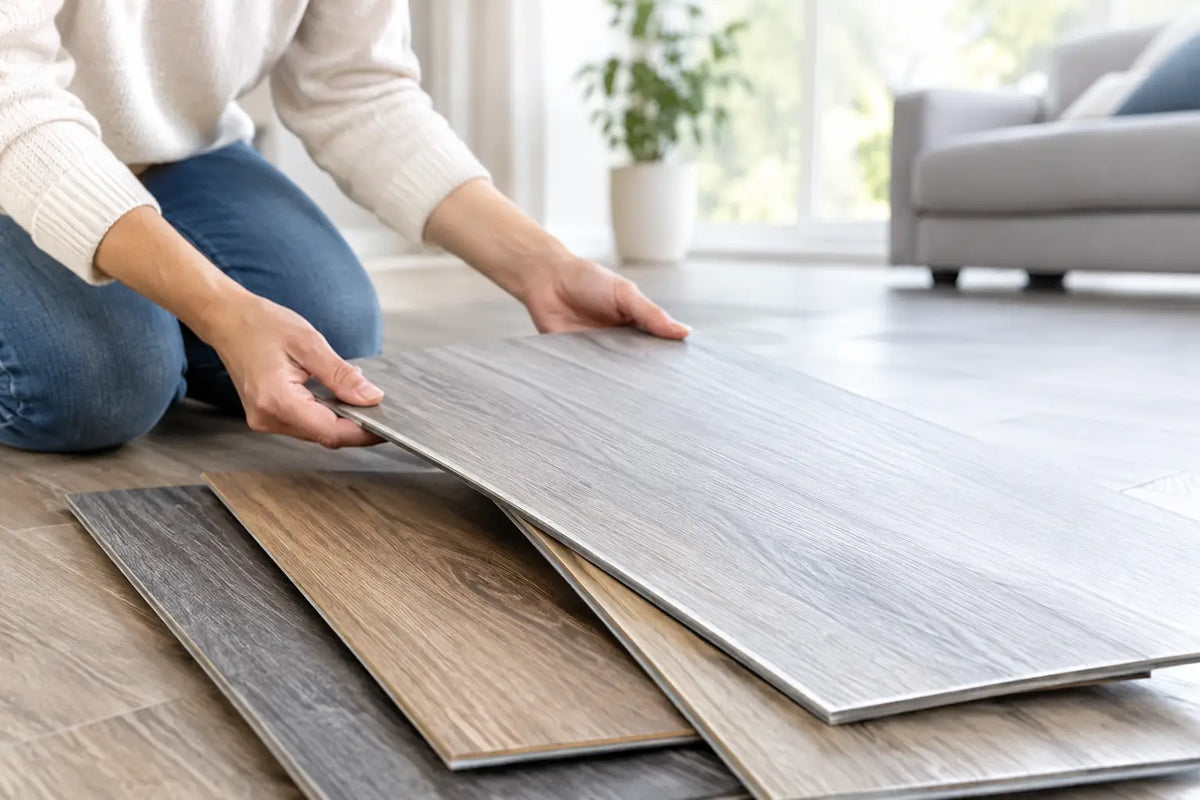
A flooring choice can look perfect on a small sample, then feel entirely different once it covers a kitchen, hallway, or open living area. That is why finding the best SPC flooring is less about choosing the trendiest color and more about matching the product’s construction, finish, and specifications to the way your space is actually used.
SPC flooring has earned its place in busy homes, rental properties, and renovation projects because it combines a waterproof rigid core with the realistic visuals and easier care homeowners expect from luxury vinyl. But SPC is not one uniform product category. Two floors may look similar online while offering very different wear layers, locking systems, plank dimensions, attached padding, and installation requirements.
For a confident purchase, look past the label and evaluate the details that affect long-term performance and project value.
What Makes SPC Flooring Different?
SPC stands for stone polymer composite. Its rigid core is made with mineral content and polymers, creating a dense, stable vinyl plank or tile flooring option. This construction helps SPC resist everyday moisture exposure and provides a firmer feel underfoot than many flexible luxury vinyl products.
The product is typically built in layers: a protective top coating, a transparent wear layer, a printed design layer, the SPC core, and often an attached backing. Each layer contributes something different. The top surface influences scratch and stain resistance, the design layer controls the visual character, and the core helps the floor stay stable through normal changes in temperature and humidity.
That does not mean every SPC floor is automatically right for every room. A lower-profile plank may be useful where transitions and door clearances are tight, while a thicker product with an enhanced pad may be more appealing for a main living area. The best choice depends on the room, the subfloor, household traffic, and the appearance you want to live with every day.
How to Choose the Best SPC Flooring for Your Project
The strongest SPC purchase decisions come from comparing specifications before comparing colors. A beautiful floor still needs to fit the demands of the property.
Start with the wear layer
The wear layer is the clear protective layer above the printed wood or stone visual. It is commonly measured in mils, and it deserves close attention in homes with pets, active families, rolling chairs, or frequent guests.
A thicker wear layer can be a smart priority for high-traffic spaces, rental properties, and light commercial settings when the product is rated for that application. For a low-traffic bedroom or occasional-use space, other factors, such as color, plank format, and overall budget, may carry more weight. More is not automatically better if it means paying for performance your project does not need.
Also review the complete product specifications rather than relying on one number. Surface finish, texture, installation quality, furniture protection, and routine cleaning all affect how flooring looks over time.
Consider core thickness and overall profile
SPC flooring comes in different thicknesses and profiles. A thicker plank can provide a more substantial feel and may help bridge minor subfloor variation within the manufacturer’s stated installation requirements. It can also influence how the floor meets existing tile, carpet, cabinetry, or adjacent rooms.
However, a thicker floor is not a substitute for proper subfloor preparation. Rigid-core flooring still needs a clean, dry, and sufficiently flat surface. Before ordering, measure door clearances, note existing transition heights, and determine whether the new floor must align with flooring in nearby rooms.
For remodels, these practical details can matter as much as the color selection. A product that fits the space cleanly can reduce surprises when installation day arrives.
Look closely at the locking system and backing
Most SPC flooring uses a click-lock installation system. The connection between planks affects installation efficiency and helps the finished floor maintain a consistent appearance. Review the manufacturer’s installation guidance, especially for large connected areas, rooms with heavy furniture, or projects that involve multiple transitions.
Many SPC products include an attached underlayment or pad. That feature can add underfoot comfort and may help with sound reduction, but the attached backing should not be treated as a cure-all for uneven subfloors or moisture issues. Always follow the specific product requirements for underlayment, moisture testing, and approved installation areas.
Choose a visual that works beyond the first impression
Color remains one of the biggest decisions, especially in whole-home projects. Light oak looks can make compact rooms feel more open, while medium natural tones often hide daily dust and minor debris well. Deep browns and charcoal finishes can create contrast and drama, but they may show lighter dust, pet hair, or scratches more readily in some homes.
Texture matters, too. Embossed grain, low-gloss finishes, and authentic-looking variation can give SPC flooring a more convincing wood appearance. For rentals and investment properties, a balanced neutral tone can appeal to a wider range of future occupants. For a personal home, choose a floor that supports the cabinetry, paint, lighting, and furnishings you plan to keep.
When possible, view the product under the lighting conditions of your home. Daylight, warm bulbs, and cool LEDs can all shift the way a floor color reads.
Where SPC Flooring Performs Especially Well
SPC is a practical candidate for kitchens, bathrooms, laundry areas, entryways, basements, and open living spaces where daily spills or wet shoes are part of life. Its waterproof construction gives homeowners more confidence around normal household moisture than traditional wood flooring.
It is also a strong consideration for rental properties, flips, and multi-unit renovations where durability, straightforward maintenance, and a cohesive finished look matter. A well-chosen SPC floor can create continuity from room to room without requiring a different hard-surface product for each area.
Still, waterproof flooring does not eliminate the need for good housekeeping or prompt cleanup. Moisture can reach wall edges, transitions, and subfloor areas if spills or leaks are ignored. Follow the product care instructions and address plumbing issues quickly to protect the entire installation.
SPC vs. Other Hard-Surface Flooring Options
SPC is often compared with laminate, hardwood, and other luxury vinyl constructions. Each category has a legitimate place, so the right answer depends on the project.
Hardwood brings natural material character and a classic look that many homeowners value, but it requires greater consideration around moisture and changing conditions. Laminate can offer attractive visuals and solid value for dry areas, while its moisture performance depends heavily on the individual product and installation. Other luxury vinyl products may offer a softer feel underfoot, while SPC is often selected for its firmer rigid-core construction and stability.
If your top priority is a natural wood surface, hardwood may remain the better fit. If your priority is a waterproof, low-maintenance floor for an active kitchen, bath, or rental, SPC deserves serious consideration. The goal is not to choose the category with the most marketing claims. It is to choose the product that makes sense for the room and your expectations.
Why First-Quality Closeout SPC Can Be a Smart Buy
A discontinued color, end-of-run style, factory overstock, or special-buy opportunity can create substantial value without making the flooring second quality. First-quality closeout SPC flooring is often available because of inventory changes, collection updates, or manufacturer production decisions, not because the product failed to meet quality standards.
That sourcing model can be especially useful for homeowners completing a larger renovation, investors updating multiple units, and contractors purchasing for defined projects. It allows buyers to consider better specifications, more current visuals, or broader room coverage while staying focused on project budget.
The trade-off is straightforward: closeout inventory can be limited. If you find a first-quality SPC product that fits your design, quantity needs, and application, confirm the available square footage before finalizing your plan. Ordering enough material at one time, including a reasonable amount for cuts and future repairs, helps protect against the possibility that the same color will not be available later.
Questions to Ask Before You Order
Before purchasing SPC flooring, confirm the total square footage needed, including waste appropriate for the room layout and plank direction. Review the product’s wear layer, thickness, attached backing, approved installation locations, and care guidance. Check how the floor will transition into adjoining spaces and whether its height works with doors, appliances, and existing finishes.
For online shoppers, product details and room visualization tools can narrow the choices before ordering. DFW customers can also benefit from seeing flooring options in person at a showroom, while nationwide buyers can shop first-quality inventory with delivery arranged for their project.
The best floor is the one you will still appreciate after muddy shoes, kitchen spills, moving furniture, and years of daily traffic. Choose an SPC product with the right specifications, a finish that fits your home, and value that leaves room in the budget for the rest of the renovation.