
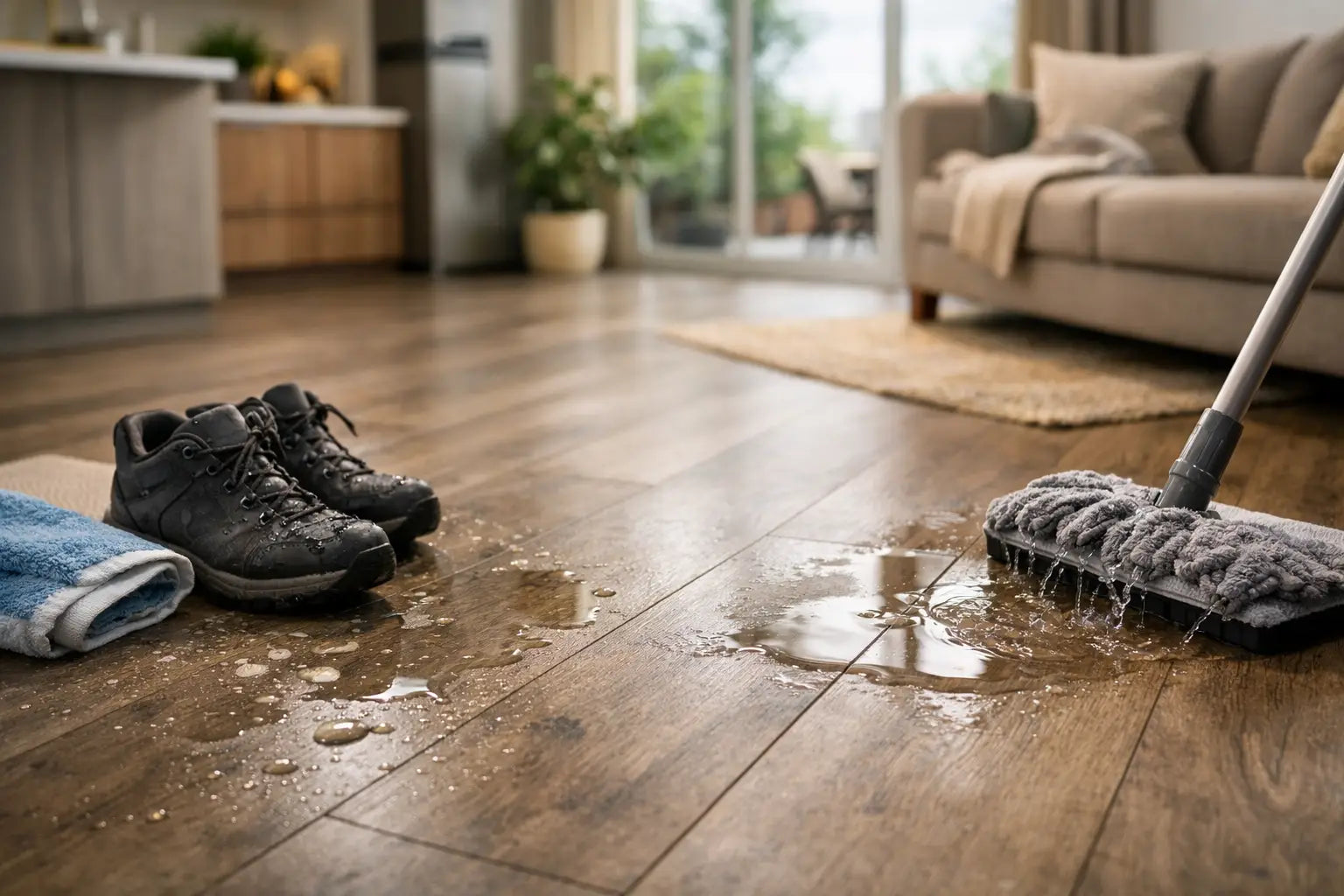
A whole-home floor has to do more than look good in the living room. It has to hold up to wet boots at the entry, spilled drinks in the kitchen, pet accidents, humid bathrooms, and the everyday traffic that wears down cheaper materials. For most homeowners, the best waterproof flooring for entire house projects is luxury vinyl plank or tile because it delivers true water resistance, practical durability, and premium visual appeal without premium showroom pricing.
That does not mean every vinyl floor is the same, or that waterproof flooring is automatically right for every room. The right choice depends on your subfloor, household, design goals, and budget. The smartest purchase is a first-quality floor that performs where life gets messy and still gives your home a consistent, high-end finish.
What Waterproof Really Means for Whole-Home Flooring
Waterproof flooring is made to resist water penetration from the top surface. A spill can sit on a quality waterproof vinyl floor without swelling the plank or damaging the core. That is a major advantage over conventional wood products and many standard laminates, which can expand, cup, or separate when moisture reaches the seams.
Still, waterproof does not mean floodproof. Water can work around baseboards, through gaps at walls, or beneath the flooring after a plumbing leak or major flood. A waterproof floor protects the product itself, but it cannot guarantee that the subfloor underneath will never be affected. Proper installation, expansion space, and quick cleanup are still part of protecting your investment.
For an entire house, that distinction matters. You want a floor that handles normal daily moisture confidently, not a marketing claim that creates unrealistic expectations.
Best Waterproof Flooring for Entire House: Luxury Vinyl
Luxury vinyl plank, often called LVP, is the leading choice for a reason. It is fully waterproof, comfortable underfoot, easy to maintain, and available in wood looks that can feel surprisingly authentic. Luxury vinyl tile, or LVT, offers the same practical performance in stone, ceramic, and patterned visuals.
A quality vinyl floor is built in layers. The wear layer protects against scuffs and stains, the decorative layer creates the wood or stone look, and the waterproof core adds stability. Rigid-core options, including SPC and WPC, are especially popular for whole-home renovations because they create a solid feel and can help conceal minor subfloor imperfections.
SPC flooring has a dense stone-polymer core. It is exceptionally stable, highly dent resistant, and a strong option for busy homes, rental properties, pets, and high-traffic spaces. WPC has a wood-polymer core that generally feels softer and warmer underfoot. It can be a good fit for bedrooms and living areas where comfort is a bigger priority, though it may not be as dent resistant as SPC.
For most households, a premium rigid-core LVP with a durable wear layer hits the sweet spot. It gives you one continuous floor from the kitchen to the bedrooms, removes the need to transition between multiple materials, and stands up to the rooms where water exposure is most likely.
Why LVP Works in Every Room
In kitchens, luxury vinyl handles spills and dropped dishes better than many hard-surface alternatives. In bathrooms and laundry rooms, it resists humidity and surface water without the cold feel of tile. In living rooms and bedrooms, its realistic texture and wide-plank visuals deliver the warm, cohesive appearance buyers want from hardwood.
It also makes financial sense. Instead of paying traditional retail margins for several different flooring materials, homeowners can choose first-quality luxury vinyl at liquidation pricing and put more of the renovation budget toward installation, trim, appliances, or other upgrades.
Is Waterproof Laminate a Good Whole-House Option?
Waterproof laminate has improved significantly. Better products use sealed edges, water-resistant cores, and tighter locking systems to slow moisture intrusion. They can be a strong value choice for living areas, bedrooms, hallways, and kitchens where spills are cleaned up promptly.
The trade-off is simple: laminate is not usually as forgiving as true waterproof vinyl. Its core is commonly wood-based, so prolonged standing water can still cause damage. If your home has young children, multiple pets, an active laundry area, or a bathroom where water frequently reaches the floor, vinyl is the safer long-term buy.
That said, high-quality waterproof laminate can be worth considering when you prefer its crisp wood texture and more traditional hard-floor feel. It is particularly practical for dry or low-moisture homes where scratch resistance is a top concern. The key is to review the manufacturer’s water warranty closely and match the product to the room, not just the price tag.
What About Hardwood Throughout the House?
Hardwood is timeless, adds natural character, and can be refinished in many cases. It is also not waterproof. Even engineered hardwood, which offers better dimensional stability than solid wood, can react to moisture over time.
For homeowners who want genuine wood in formal living spaces or bedrooms, hardwood can be an excellent premium choice. It is less practical as the single flooring material for bathrooms, laundry rooms, and moisture-prone kitchens. Using hardwood across an entire house means accepting more maintenance and a higher risk of water-related repairs.
A popular compromise is to choose waterproof LVP with a high-definition hardwood visual for the whole home. You get the consistent color, grain pattern, and wide-plank style of a wood floor, while gaining the confidence to use it in every room. This is especially appealing for rental properties, family homes, remodels, and resale-focused renovations where durability protects the budget.
Choose the Right Vinyl Construction and Wear Layer
Do not buy solely by color or price per square foot. Construction affects how the floor feels, installs, and performs over time. For a busy whole house, rigid-core vinyl is usually the strongest starting point. Look for a well-made click-lock system, a stable core, and an attached pad if sound reduction and installation convenience matter to your project.
Wear layer thickness deserves attention, but it should not be viewed in isolation. A thicker wear layer generally provides better protection from scratches and daily wear, especially in homes with pets, kids, or heavy furniture movement. Product quality, surface coating, embossing, and warranty coverage also matter.
Think about finish as carefully as durability. Matte and low-gloss floors hide dust and small scratches better than shiny finishes. Medium oak, greige, warm brown, and natural wood tones are flexible choices that work with changing furniture and paint colors. Very dark floors can show dust, while very light floors may reveal certain stains or scuffs depending on the texture.
Installation Details That Protect Your Purchase
Even the best product can disappoint when installed over an unprepared subfloor. Vinyl needs a clean, dry, reasonably flat surface. Rigid-core floors can handle small variations better than thin glue-down products, but significant dips, ridges, or moisture issues should be corrected before installation.
If you are installing over concrete, test for moisture according to the flooring manufacturer’s requirements. If you are installing over an existing floor, confirm that the old surface is secure and flat enough for the new material. Skipping preparation to save a little now can lead to clicking noises, joint stress, or visible unevenness later.
Plan transitions, stair nosing, baseboards, and door clearances before ordering. A whole-home project looks more expensive when these finishing details are handled correctly. Ordering extra material is also wise. A modest overage allows for cuts, pattern selection, and future repairs if a plank is damaged years down the road.
Get a Premium Look Without the Showroom Markup
The best waterproof floor is not necessarily the most expensive option on a display rack. It is the one that gives your household the right balance of water protection, appearance, comfort, and long-term value. For the majority of full-house renovations, first-quality luxury vinyl plank offers that balance better than any other hard-surface category.
Factory Flooring Liquidators helps homeowners, contractors, and property buyers shop premium vinyl, laminate, and hardwood at aggressive liquidation prices, with nationwide delivery and practical guidance when product details matter. Use a room visualizer before committing to a color, compare samples in your home’s actual light, and choose a floor you will be happy to see in every room. The right waterproof floor should make daily life easier while making the entire house look like a more valuable place to live.