
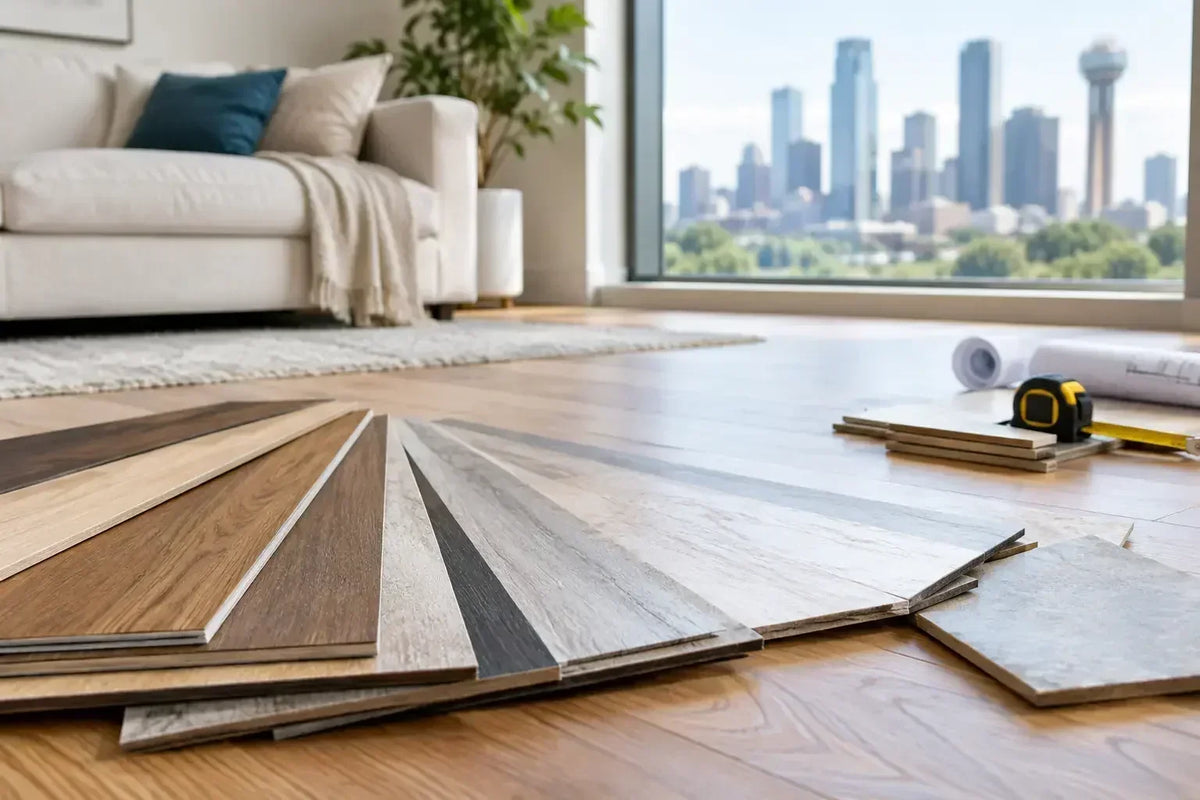
A flooring remodel can change the way a Dallas home feels in a single weekend of installation, but the purchase decision deserves more time than that. This Dallas flooring remodel guide helps you match the right hard-surface floor to your rooms, budget, household, and project timeline without confusing low pricing with low quality.
Start Your Dallas Flooring Remodel Guide With the Room
The right floor for a quiet guest room is not automatically the right floor for an entry, kitchen, rental property, or whole-home renovation. Before comparing colors and plank widths, look at how the room is used. Foot traffic, pets, children, moisture exposure, existing subfloor conditions, and natural light all affect what will make sense over the long term.
For many Dallas-Fort Worth homes, flooring also needs to work over a concrete slab. That does not rule out attractive options, but it makes product specifications, moisture considerations, and proper installation planning especially relevant. Review the manufacturer requirements for the product you choose and discuss site conditions with a qualified flooring professional before installation begins.
A practical starting point is to separate rooms into three groups: dry, lower-traffic spaces; busy living spaces; and moisture-prone spaces. That simple exercise narrows the field quickly and keeps a beautiful product from being placed in an application where it is not designed to perform.
Compare Flooring by How You Live
Every category has a strong use case. The best choice depends on the look you want, the durability your household needs, and where the material will be installed.
Hardwood for Character and Long-Term Appeal
Hardwood brings natural grain, depth, and variation that make a home feel established rather than overly uniform. It is a strong option for living rooms, bedrooms, dining areas, and other dry interior spaces where authentic wood is central to the design. Hardwood can be an excellent fit for a primary residence or a higher-end renovation where buyers value natural materials.
The trade-off is that wood requires thoughtful placement and care. Water should not be allowed to sit on the surface, and scratches, dents, and changes in humidity are part of living with a natural material. That is not necessarily a drawback. Many homeowners appreciate the character hardwood develops over time. It simply means hardwood is usually a more deliberate choice than a waterproof floor for homes with frequent spills or highly active pets.
Luxury Vinyl and Waterproof Flooring for Busy Rooms
Luxury vinyl and waterproof flooring are popular choices when the project calls for a wood-inspired appearance with easier everyday upkeep. These products can be especially practical in kitchens, hallways, laundry areas, family spaces, and investment properties where durability and maintenance matter as much as style.
Not every waterproof floor is the same, and waterproof does not mean every installation condition is interchangeable. The core construction, wear layer, locking system, and manufacturer instructions all matter. Compare a product's intended use rather than choosing based on one label alone. For a busy household, this category often offers a smart balance of appearance, practical performance, and project value.
Laminate for a Durable, Design-Focused Update
Laminate remains a compelling option for homeowners who want attractive visuals and durable surface performance in dry areas. Modern laminate styles can deliver convincing wood looks, a range of colors, and on-trend widths without requiring a hardwood budget.
It is particularly worth considering for bedrooms, living spaces, and budget-conscious remodels where the floor needs to look polished while supporting the rest of the renovation. As with any material, follow the product's guidance for cleaning, moisture exposure, and installation. The lowest-maintenance choice is not always the right one, but laminate can be a strong value when it fits the room and lifestyle.
Choose Color After You Check the Light
A plank that looks warm and neutral in a showroom can read differently under the bright Texas sun, cool LED lighting, or the shade of a north-facing room. Bring home samples when possible and look at them beside cabinets, countertops, paint, and upholstery at different times of day.
Light floors can make smaller rooms feel more open and help conceal some dust. Mid-tone floors often offer flexibility across changing furniture and paint colors. Darker floors can create contrast and drama, though they may show dust, pet hair, and surface marks more readily. There is no universal winner. The best color is one that fits your home and the level of day-to-day maintenance you are comfortable with.
For whole-home projects, continuity matters. Using one compatible flooring look through connected living areas can make the layout feel larger and more intentional. In rooms that need a different performance level, select a complementary color and visual rather than forcing one product into every space.
Plan the Budget Around the Full Project
Flooring costs extend beyond the price of the material. A realistic plan accounts for the flooring itself, estimated waste, underlayment or required installation components, trim and transitions, removal of existing materials if needed, delivery, and installation labor. Keeping these items visible from the beginning makes it easier to compare products fairly.
Measure each room carefully, then add a reasonable overage for cuts, layout, and future repairs. The needed amount varies with room shape, plank direction, closets, and product type. A simple rectangular room generally needs less extra material than a space with many angles or built-ins.
This is also where factory-closeout sourcing can create meaningful opportunity. First-quality overstock, discontinued styles, end-of-run inventory, and special buys can offer exceptional value because of how the material was sourced, not because the product is inferior. If you find a closeout style that works for your project, confirm that enough cartons are available for the full job, including your planned overage, before finalizing the design.
Treat Availability as Part of the Design Decision
Changing inventory is one advantage of shopping specialized closeout flooring sources. You may find first-quality materials and premium visuals that fit the project budget more comfortably than expected. The practical trade-off is that certain closeout lots can be limited once they sell through.
For a remodel with a fixed color scheme or a large square-footage requirement, availability should be checked early, not after cabinets or paint are selected. If you are renovating in phases, consider whether you will need matching flooring later. Buying sufficient material up front may be sensible when a particular first-quality closeout product is a clear fit and inventory is limited.
For flippers, rental owners, and contractors, this planning step is equally useful. A well-chosen in-stock floor can keep a project moving while still delivering a finished look that supports the property's value. The goal is not to chase a deal for its own sake. It is to purchase the right material at a stronger overall value.
Use the Showroom and Digital Tools With Purpose
Photos are useful for narrowing options, but flooring is tactile. Texture, sheen, edge detail, and color variation are easier to understand in person. Dallas-area shoppers can use a DFW showroom visit to compare boards side by side, while online shoppers can review product details, visualize styles in a room, and arrange nationwide delivery.
Bring room measurements, a few photos of the space, and samples of cabinet or paint colors. Those details help turn a broad search into a focused conversation about product suitability, design, and quantity. Factory Flooring Liquidators can help customers evaluate first-quality hardwood, luxury vinyl, waterproof flooring, and laminate choices with the practical context a remodel requires.
The floor you choose will be under nearly every decision that follows, from wall color to furniture placement. Give yourself enough time to see the material in your space, confirm the quantity, and choose the product that supports how you actually live. That is how a value-focused flooring purchase becomes a remodel decision you will appreciate long after the boxes are opened.