
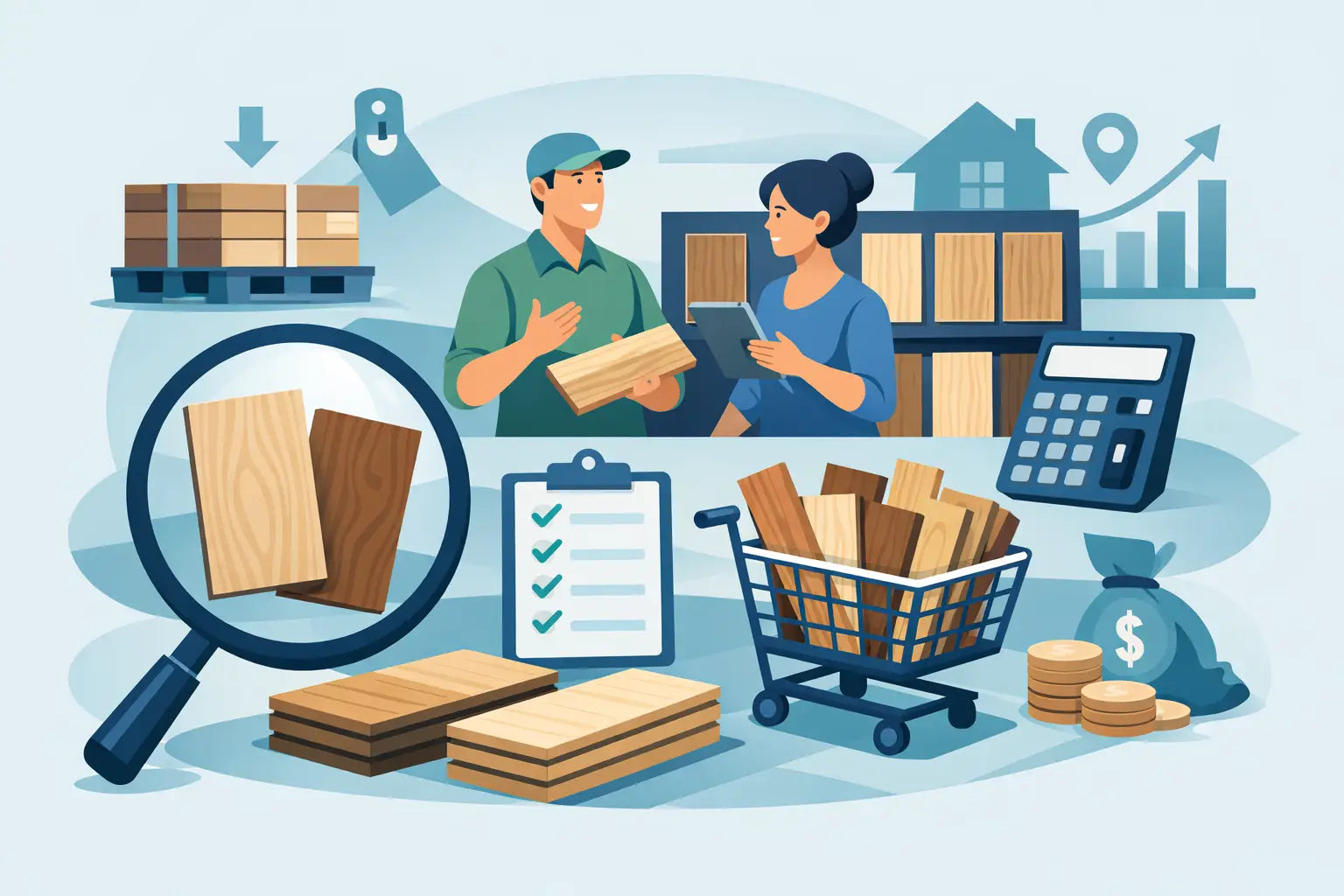
A low price on flooring can save your project budget - or create expensive problems if you buy the wrong product, the wrong amount, or the wrong grade. That is why knowing how to buy liquidation flooring matters. The best deals are not on cheap, disposable materials. They are on first-quality hardwood, vinyl, and laminate sold below traditional retail pricing.
If you are remodeling a home, updating a rental, finishing a flip, or pricing out a full-house refresh, liquidation flooring can put premium surfaces within reach. The key is buying like a smart project owner, not like a bargain hunter chasing the lowest number on the page.
What liquidation flooring actually means
Liquidation flooring is usually excess inventory, discontinued styles, packaging updates, overstock, or manufacturer closeouts sold at reduced prices. That does not automatically mean damaged, off-grade, or low-end. In many cases, it is the same first-quality flooring you would see in a showroom, just priced to move.
This is where many buyers get tripped up. They hear "liquidation" and assume there must be a catch. Sometimes there is, and sometimes there is not. The important question is not why the product is discounted. The important question is whether the flooring itself meets your standards for quality, durability, and appearance.
A premium floor at liquidation pricing is a strong buy. A low-grade floor with a dramatic markdown is often just a low-grade floor.
How to buy liquidation flooring without buying the wrong thing
Start with the room, not the deal. Flooring needs change depending on where the product will be installed. A busy household with kids and pets has different priorities than a guest room. A rental unit has different priorities than a forever home. A kitchen, basement, or entry area may require more moisture resistance than a bedroom or office.
Once you know where the flooring is going, narrow your options by category. Hardwood brings long-term value and a premium natural look. Vinyl is a practical favorite for moisture-prone spaces and high-traffic areas. Laminate can deliver strong style and scratch resistance at a highly competitive price point. The right category should do the heavy lifting before color and style take over the decision.
Price still matters, of course. But the smartest buyers compare value per square foot against product quality, plank construction, wear layer, finish, thickness, and expected lifespan. That is how you avoid false savings.
Check whether it is first quality
This is one of the biggest filters. First-quality flooring should have consistent manufacturing standards, dependable construction, and no intentional downgrade in appearance or performance. If a product is discounted because of overstock or a discontinued line, that can be a major win for the buyer.
Ask direct questions. Is it first quality? Is it new inventory? Is the manufacturer specification available? Is there a known issue with shade variation, packaging, or lot consistency? Clear answers matter more than flashy markdown language.
Buy enough for the full job
Liquidation inventory moves fast, and once a style sells out, it may be gone for good. That creates one of the biggest risks with closeout flooring - underordering. If you run short midway through the installation, matching the same lot or even the same product may not be possible.
Measure carefully and account for waste. For straightforward rooms, buyers often add extra material for cuts and mistakes. For angled layouts, multiple rooms, stairs, or pattern work, you may need more. It is usually smarter to buy a little extra than to risk a mismatch later.
This also matters for future repairs. If you can store a few unopened boxes, that extra inventory can save you from a costly replacement issue down the road.
What to inspect before you commit
Not every discounted floor deserves your money. Before purchasing, look at the product details the same way a contractor or informed project buyer would.
For hardwood, pay attention to species, thickness, finish type, plank width, and whether the product is solid or engineered. For vinyl, look closely at core type, total thickness, wear layer, and waterproof performance. For laminate, check AC rating, thickness, locking system, and surface durability.
Photos matter, but specifications matter more. A floor may look premium online and still be a poor fit for your project if the construction is too light for the space.
Understand wear layers and thickness
This is where value gets real. In luxury vinyl, for example, a stronger wear layer generally supports better long-term performance in active homes and investment properties. A thicker product may also feel more solid underfoot, though thicker is not always better if the wear layer and core are weak.
With laminate, durability ratings tell you more than a lifestyle photo ever will. With hardwood, the finish and top veneer on engineered products can influence longevity and refinishing potential. Good liquidation pricing is attractive, but construction details are what protect your investment.
Confirm installation requirements
A flooring deal can get a lot less attractive if the installation method does not match your project. Some products are better suited for floating installation. Others may require glue-down application or specific subfloor prep. You also need to know whether the floor works with radiant heat, concrete slabs, or below-grade spaces if that applies to your job.
This is one reason expert support matters. A strong flooring seller does more than list products. They help buyers avoid expensive fit mistakes before checkout.
Where buyers save money - and where they should not cut corners
The smartest savings come from avoiding retail markup, not from sacrificing core product quality. That is the appeal of buying from a direct-to-consumer liquidation source. You get access to premium flooring categories without showroom-level pricing.
What should not be compromised is product suitability. Saving money on a floor that cannot handle moisture, traffic, or installation conditions is not a deal. It is a delay waiting to happen.
The same goes for shipping and handling. Flooring is heavy, and logistics matter. Before purchasing, confirm delivery terms, lead times, and what happens if there is visible damage on arrival. A serious seller should make this process clear and practical, especially for buyers ordering nationwide.
How to compare liquidation flooring offers
When two products seem similar, look beyond the top-line price. Compare construction, grade, brand reputation, dimensions, coverage per carton, and any accessories required for installation. A lower sticker price can lose its advantage if you need more waste, additional prep, or specialty underlayment.
It also helps to compare visual consistency. Some buyers love natural variation, especially in hardwood. Others want a cleaner, more uniform look for rentals or modern interiors. Neither preference is wrong. It depends on the project.
If you are buying online, visualization tools can reduce uncertainty. Seeing a floor in a room setting helps narrow down style choices faster and can prevent second-guessing after delivery. That is especially useful when you are balancing color, plank size, and overall design direction.
When liquidation flooring is the best option
Liquidation flooring is a particularly smart move when you want premium looks at a more aggressive price point, you are covering a larger area, or you need better margins on an investment property. It is also ideal for buyers who are flexible enough to act when a strong closeout becomes available.
That flexibility is part of the trade-off. If you are chasing one very specific style, finish, or brand line, liquidation inventory may feel limiting because availability changes. But if your goal is value without settling for low-grade material, it can be one of the strongest buying paths available.
For many homeowners and project buyers, that is the sweet spot - first-quality flooring, transparent pricing, expert guidance, and delivery access that makes online purchasing practical. That is exactly why companies like Factory Flooring Liquidators stand out in a crowded market.
A smarter way to shop
The best approach is simple. Start with your room needs, filter for first-quality construction, buy enough material, verify the specs, and make sure the seller offers real support before and after the sale. That is how you buy confidently instead of reactively.
Good flooring changes the feel of a space every single day. If you can get that upgrade at liquidation pricing without compromising quality, that is not cutting corners. That is buying smart.