
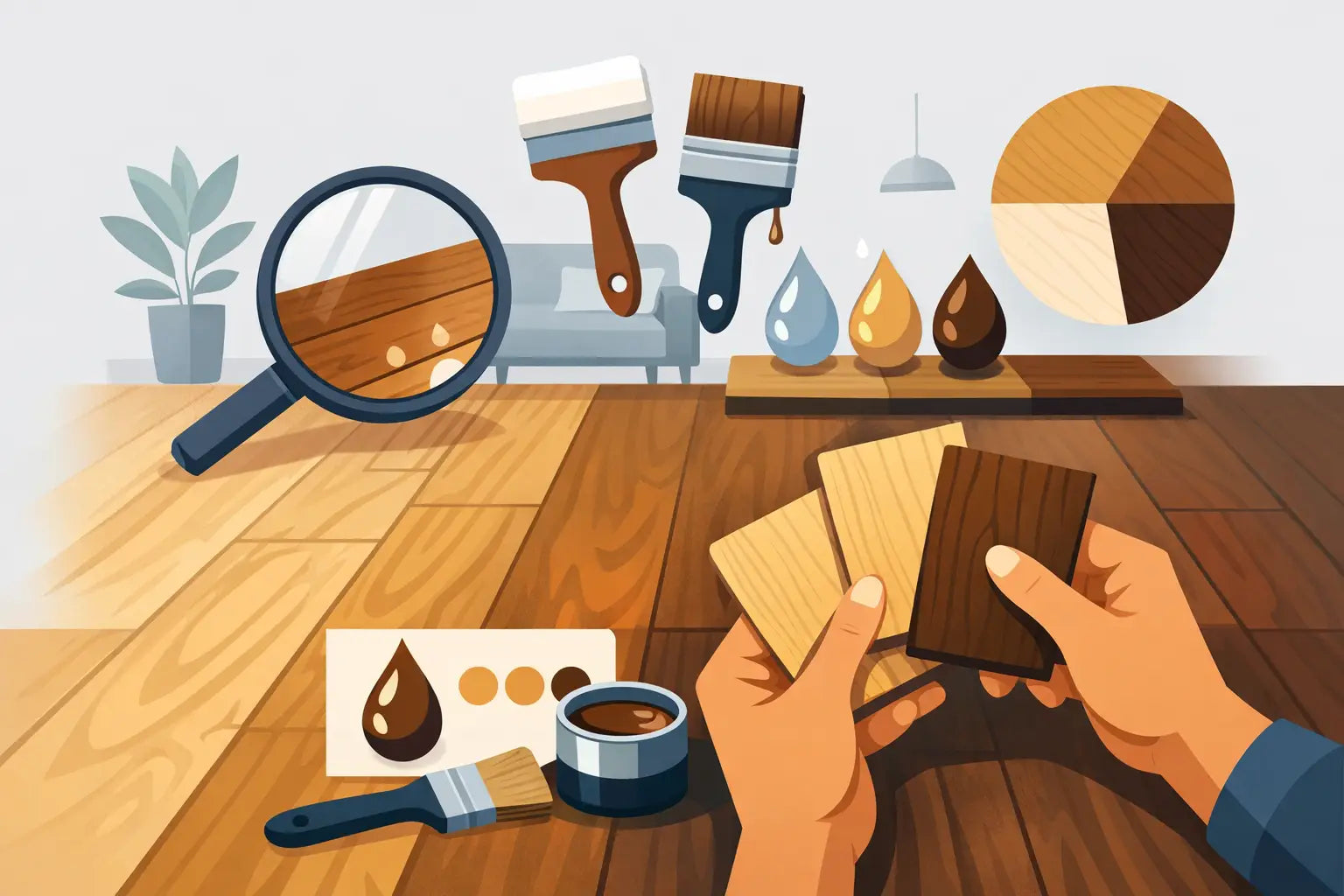
You can love the color of a hardwood floor and still end up disappointed if the finish is wrong. That top layer affects how the floor looks at noon, how it hides scratches at month six, and how it holds up when kids, pets, tenants, or heavy foot traffic start testing it. If you're wondering how to choose hardwood finish, the real answer comes down to matching appearance, durability, maintenance, and budget - not just picking whatever looks best under showroom lighting.
What hardwood finish actually changes
A lot of buyers treat finish like a final cosmetic detail. It is not. Finish controls sheen, surface protection, scratch visibility, stain resistance, and long-term upkeep. Two floors in the same wood species and same color can feel completely different once the finish changes.
A glossier finish reflects more light and gives hardwood a cleaner, more formal look. It can also make dust, pet hair, footprints, and surface scratches easier to see. A lower-sheen finish softens the look and does a better job hiding everyday wear, which is why it is often the smarter buy for active households and investment properties.
The finish also affects how the wood reads in the room. White oak with a matte finish can feel modern and relaxed. The same floor in a higher gloss can lean more traditional or polished. That is why choosing the finish should happen alongside color, plank width, and your overall design goal.
How to choose hardwood finish for real-life use
Start with traffic, not aesthetics. A floor in a formal dining room has different demands than one in a kitchen, hallway, or rental property. If the room gets constant use, you want a finish that hides wear and protects the surface without forcing high maintenance.
For busy homes, satin and matte are usually the best-value choices. They offer the premium look most buyers want right now, and they are forgiving. They do a better job masking light scratches, dust, and daily scuffs than semi-gloss or gloss finishes.
If the room gets less traffic and you want a more polished visual impact, semi-gloss can work. Full gloss is the most dramatic option, but it is also the least forgiving. It tends to highlight imperfections, so it is rarely the practical choice for families, large dogs, or high-turnover spaces.
This is where smart buyers save themselves frustration. A finish that looks impressive on day one is not always the one that performs best over the next five years.
Match the finish to your household
If you have kids, pets, or frequent guests, lower sheen usually wins. If you are updating a luxury space with lighter use, you have more flexibility. If you are a property investor or landlord, durability and maintenance should lead the decision because appearance only pays off if the floor stays attractive with minimal upkeep.
That trade-off matters. The more reflective the finish, the more visual payoff you get upfront. The less reflective the finish, the easier it is to live with.
The main types of hardwood finish
When people ask how to choose hardwood finish, they are often mixing up two decisions - finish type and finish sheen. Sheen is how shiny the floor looks. Finish type is the product used to protect the wood.
The two most common categories are polyurethane and oil-based penetrating finishes. Most buyers today choose polyurethane because it offers strong surface protection and lower maintenance.
Polyurethane finishes
Polyurethane sits on top of the wood and creates a protective layer. It is widely used because it resists moisture, stains, and wear well. Within this category, you will typically see oil-based and water-based options.
Oil-based polyurethane usually gives the floor a warmer, amber tone. It can deepen the color of the wood over time, which some homeowners like, especially with traditional interiors. It is durable, but it takes longer to dry and has a stronger odor during installation.
Water-based polyurethane keeps the wood color more natural. It dries faster, has lower odor, and is popular for modern interiors where buyers want clean, lighter visuals. It can cost more, but it is often worth it if you want a premium look without the yellowing effect.
Oil finishes
Oil finishes penetrate the wood rather than building a heavy film on top. They can create a rich, natural appearance that many design-focused buyers love. The floor can feel more authentic and less coated.
The trade-off is maintenance. Oil-finished floors may require more regular care and touch-ups than polyurethane-coated floors. For some buyers, that is a fair exchange for the look. For others, especially in busy households or revenue-focused properties, it is more upkeep than they want.
Sheen levels and what they really mean
Sheen is often where the decision gets easier.
Matte
Matte gives hardwood a low-luster, current look that works well in casual, modern, and transitional spaces. It hides dust and scratches better than shinier options. For many households, this is the most practical and best-looking choice.
Satin
Satin is the market favorite for a reason. It offers a soft glow without drawing too much attention to wear. It feels polished but still livable. If you want a safe, high-value finish for resale, family life, or whole-home flooring, satin is hard to beat.
Semi-gloss
Semi-gloss reflects more light and creates a cleaner, dressier appearance. It can make a room feel brighter, but it will also show more of the floor's surface condition. It works best in lower-traffic areas or homes where owners are comfortable with more frequent cleaning.
Gloss
Gloss is the highest-shine option. It can look striking in the right setting, but it also reveals every speck of dust, every paw print, and every surface scratch. For most practical buyers, especially those shopping for premium flooring value rather than showroom drama, gloss is not the strongest long-term play.
Wood species and color matter too
Finish does not exist in a vacuum. Wood species, grain pattern, and stain color all influence the result.
On smoother, darker floors, higher sheen tends to show scratches and dust more quickly. On lighter floors with more natural variation, a matte or satin finish can create a more forgiving and expensive-looking result. Open-grain species like oak often pair especially well with lower sheens because the texture already adds character.
If you are choosing between samples, do not just compare finish labels. Compare the full combination of species, stain, and sheen. What looks balanced on one board may look too shiny or too flat on another.
Budget now versus value later
A lot of flooring decisions get pushed toward the cheapest short-term option. That can backfire with finish. If you choose a finish that demands more maintenance, shows wear faster, or needs earlier refinishing, the lower upfront cost may disappear.
This is why value-conscious buyers should think in terms of performance per dollar, not just initial price. A first-quality hardwood floor with the right finish can deliver a better long-term return than a cheaper option that ages badly. The smart move is to buy the finish that fits your use case the first time.
If you are comparing products online, ask what kind of finish protection is already applied, what sheen level is available, and how that floor is expected to perform under your traffic level. Premium flooring at liquidation pricing only becomes a real bargain when the product works for your space.
How to choose hardwood finish without second-guessing yourself
If you want the simplest rule, use this one: choose matte or satin unless you have a strong reason not to. Those finishes give most homeowners, renovators, and project buyers the best mix of style, durability, and easy living.
Go with water-based polyurethane if you want a natural wood look and lower-maintenance protection. Consider oil-based polyurethane if you prefer a warmer, richer tone and do not mind the added ambering effect over time. Look at oil finishes only if you specifically want that natural, hand-finished appearance and understand the maintenance commitment.
Before you make the final call, view the sample in the actual room if possible. Daylight, wall color, cabinet finish, and room size can all shift how sheen reads. A smart retailer with expert support can help narrow the field quickly, which is often the difference between a confident purchase and an expensive guess.
At Factory Flooring Liquidators, that is exactly where premium value matters most - getting a first-quality floor that looks right, performs right, and does not come with showroom markup.
The best hardwood finish is not the flashiest one. It is the one that still looks like a smart buy after real life starts happening on top of it.