
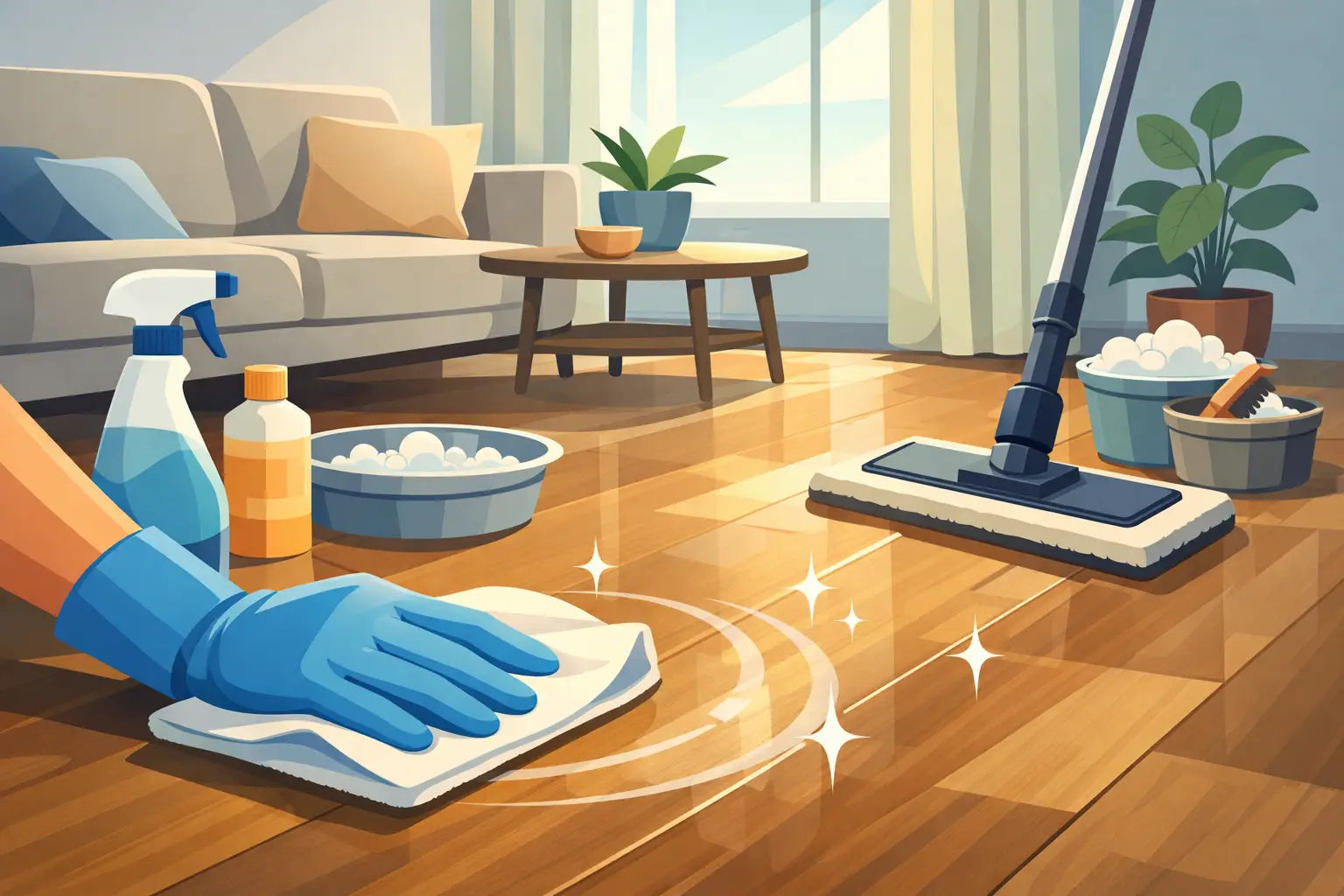
That hazy film on a brand-new floor usually is not wear - it is cleaning residue. If you are wondering how to clean luxury vinyl flooring without dulling the finish, the good news is that LVP and LVT are low-maintenance by design. The catch is that the wrong mop, the wrong cleaner, or too much water can make a premium floor look cheap fast.
Luxury vinyl is popular for a reason. It gives homeowners, landlords, flippers, and contractors the upscale look of wood or tile with better everyday practicality and a more budget-smart price point. But even first-quality flooring performs best when the maintenance routine matches the product. Clean it correctly, and it keeps its color, texture, and finish longer. Clean it aggressively, and you can end up fighting streaks, swelling at the seams, or premature wear.
How to clean luxury vinyl flooring without damaging it
The best routine is simple. Start by removing dry debris before it gets ground into the wear layer. A soft broom, dust mop, or vacuum made for hard floors works well. If your vacuum has a beater bar, turn it off. That spinning brush is great for carpet but too rough for many hard surface floors.
After dry cleaning, use a damp microfiber mop rather than a soaking-wet string mop. That distinction matters. Luxury vinyl is water-resistant, and many products are highly moisture-tolerant, but puddling water across the floor is still a bad bet, especially around perimeter gaps, transitions, and seams. A lightly damp mop lifts dirt without forcing moisture where it does not belong.
Cleaner choice is where many people overdo it. For most routine messes, warm water and a manufacturer-safe pH-neutral floor cleaner are enough. You do not need heavy waxes, polish restorers, oil soaps, or harsh degreasers to get a clean result. In fact, those products often leave buildup that attracts more dirt and creates the cloudy look people mistake for wear.
If your floor still looks streaky after mopping, the issue is often not the floor - it is residue. Use less cleaner, rinse the mop pad more often, and swap dirty pads before they start smearing grime around. On larger jobs or rental turnovers, that one adjustment can make a floor look dramatically better.
The daily and weekly routine that actually works
Most luxury vinyl floors do not need a complicated care plan. In busy homes, a quick sweep or dust mop every day or two keeps grit from acting like sandpaper under shoes and furniture. In lower-traffic rooms, a few times a week is usually enough.
Mopping depends on traffic and lifestyle. Homes with kids, pets, or backyard access may need weekly damp mopping. A guest room or formal space can often go longer. The right schedule is not about cleaning on principle. It is about preventing dirt from layering into texture and edges where cleanup gets harder.
Entry points deserve extra attention. Small stones, sand, and tracked-in debris do more damage than most spills. A quality doormat outside and another just inside the door cuts down on abrasion and reduces how often you need to mop. Felt pads under chair legs and furniture also help protect the wear layer from scratches that cleaning cannot fix.
If you are managing a rental, flip, or high-traffic family home, consistency beats deep cleaning marathons. Frequent light maintenance costs less effort than waiting until the floor looks tired. That is one reason luxury vinyl remains such a strong value play - it delivers a premium look without the demanding upkeep some natural materials require.
What to use on luxury vinyl floors
Microfiber is your best friend here. A microfiber dust mop grabs fine dirt better than many traditional brooms, and a flat microfiber wet mop gives you more control over moisture. Soft cloths or nonabrasive sponges are ideal for spot cleaning.
For cleaning solutions, stick with products labeled safe for luxury vinyl or resilient flooring. If you are unsure, test in a low-visibility area first. Even safe cleaners can behave differently depending on residue from previous products, hard water, or the floor's texture.
Steam mops are more complicated. Some manufacturers allow them on specific settings, while others advise against them entirely. Heat and concentrated moisture can stress seams and adhesives over time, especially on floating floors. If the product warranty says no steam, take that seriously. A fast shortcut is not worth shortening the life of a premium floor.
What not to use
Abrasive scrubbers, steel wool, ammonia-heavy products, bleach-heavy mixtures, waxes, polishing compounds, and oil-based soaps are common mistakes. So are all-purpose cleaners that promise shine. Luxury vinyl does not need wax to look good, and artificial shine can turn into a sticky residue problem.
It also pays to avoid rubber-backed mats unless the flooring manufacturer says they are safe. Some rubber materials can discolor vinyl over time. That is not a cleaning mistake exactly, but it often gets discovered during cleaning when people move rugs and find staining underneath.
How to handle spills, stains, and sticky spots
Most spills should be wiped up quickly with a soft cloth or paper towel, then cleaned with a damp microfiber cloth. Fast cleanup matters less because luxury vinyl is fragile and more because dried residue becomes harder to remove cleanly.
For sticky spots such as juice, soda, or food residue, a small amount of pH-neutral cleaner on a cloth usually does the job. Let it sit briefly if needed, then wipe gently. Rubbing aggressively can dull the finish, especially if grit is still present.
Scuffs from shoes or furniture are common and usually manageable. A soft cloth with a manufacturer-safe cleaner often works. For tougher scuffs, some people use a melamine sponge very lightly, but this is an area where caution matters. Those sponges are mildly abrasive, and too much pressure can alter the finish. When in doubt, test first and go gentle.
For grease in kitchens, use a vinyl-safe cleaner rather than a harsh degreaser. The goal is to break the residue without stripping the floor's finish. In bathrooms or mudrooms, dried dirt should be loosened with a damp cloth before mopping so you are lifting it, not grinding it across the surface.
Pet accidents should be cleaned promptly, both for hygiene and to prevent lingering odor around seams or trim. Again, more cleaner is not better. Clean thoroughly, then remove residue so the area does not turn tacky.
Why floors still look dirty after cleaning
If your luxury vinyl floor looks worse right after mopping, there are usually three likely reasons: too much cleaner, dirty mop pads, or hard water residue. All three leave a film that catches light and makes the surface look dull.
The fix is usually straightforward. Use less product than you think you need. Change or rinse mop pads more often. If your local water leaves mineral residue, use distilled water occasionally for a clearer finish. This matters even more on darker planks and smoother finishes where streaks show faster.
There is also a product issue worth mentioning. Not all vinyl flooring is built the same, and thinner, lower-grade floors may show wear and residue more readily than premium first-quality products with better wear layers and finish quality. Cleaning technique matters, but floor quality matters too. If you are shopping for new floors, maintenance should be part of the value conversation, not an afterthought.
Long-term care that protects the finish
Sunlight, furniture drag, and embedded grit age floors faster than routine mopping does. Use blinds or window treatments in rooms with intense direct sun, especially if the manufacturer notes temperature or UV sensitivity. Lift furniture instead of dragging it. Keep pet nails trimmed. These are small habits, but they help protect the floor you paid for.
If you are planning a remodel or replacing worn-out flooring, choosing a quality luxury vinyl product upfront makes maintenance easier down the road. Better construction, stronger wear layers, and a more durable finish generally hold up better in active homes and investment properties. That is part of the value equation buyers often miss when comparing prices alone.
At Factory Flooring Liquidators, that practical value matters. Buyers want premium looks, real durability, and pricing that makes sense for a single room, a full-home update, or a multi-unit project. A floor should save you money at purchase and save you hassle after installation.
A clean luxury vinyl floor should look effortless, not overworked. Stick with dry debris removal, a damp microfiber mop, a vinyl-safe cleaner, and a little restraint. Most of the time, the best results come from doing less, just doing it right.