
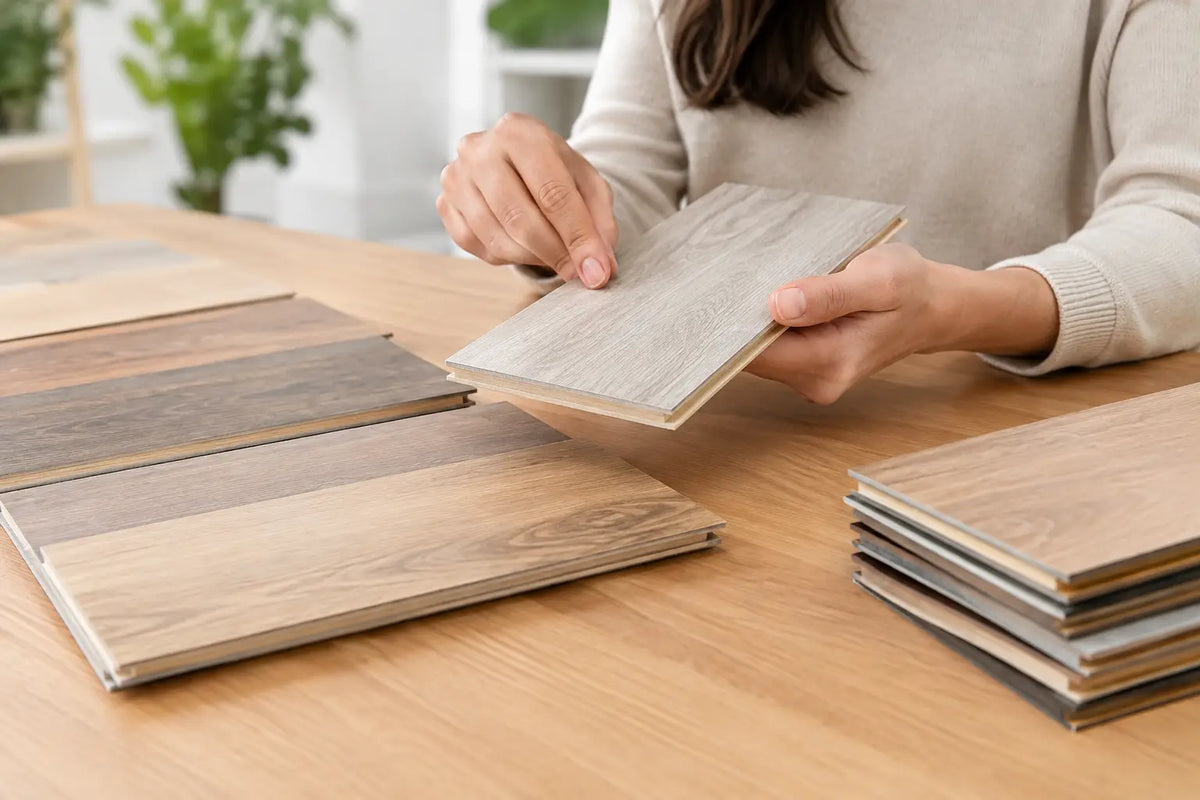
A laminate floor can look nearly identical in a product photo yet perform very differently after a year of pets, chairs, dropped toys, and everyday traffic. Knowing how to compare laminate wear layers helps you look past color and price alone, so you can choose a first-quality floor that fits the room, the household, and the value you expect from your investment.
For most shoppers, the key is not finding the highest number on a spec sheet. It is matching the laminate’s wear rating and overall construction to the way the space will actually be used. A quiet guest room, a busy family kitchen, and a rental-property hallway do not need the same level of protection.
How to Compare Laminate Wear Layers Beyond the Label
Laminate flooring does not use a thick clear vinyl wear layer measured in mils. That is a common comparison point for luxury vinyl flooring, but laminate is built differently. Its protective surface is generally a clear overlay designed to resist abrasion, scuffs, staining, and everyday surface wear. This layer sits above the printed decorative image that gives the plank its wood look.
Because that top layer is very thin, shoppers usually cannot make a meaningful comparison by asking for its physical thickness. Instead, compare the flooring’s Abrasion Class, commonly called an AC rating, along with the product’s stated use classification and performance features.
A complete laminate plank also includes a core and backing layer. The surface protects the visual layer, while the core contributes to stability, impact resistance, and how the floor handles changes in humidity. The backing helps balance the plank. A strong wear rating matters, but it is only one part of a durable laminate floor.
Start With the AC Rating
AC ratings are the most useful starting point when comparing laminate wear resistance. They are based on testing that evaluates how the surface holds up to abrasion and other performance demands. In general, a higher AC rating indicates a floor designed for more demanding traffic.
AC1 flooring is intended for light residential use, such as a low-traffic bedroom or guest room. AC2 is suited to general residential spaces with normal daily activity. AC3 is a popular choice for busy homes because it is designed for heavy residential use and may also be appropriate for some light commercial settings, depending on the manufacturer’s specifications.
AC4 and AC5 products are made for more intensive commercial traffic. That does not automatically mean an AC5 floor is the best purchase for every home. A homeowner may find that an AC3 or AC4 laminate provides the right durability at a better overall project value. On the other hand, a rental property entry, active home office, retail area, or heavily used hallway may justify stepping up.
Think of AC ratings as a suitability guide, not a simple quality score. A higher-rated laminate can be an excellent choice, but only when its appearance, installation requirements, core construction, and budget also fit the project.
Match Wear Resistance to the Room
The room is usually a better guide than a general promise of “durability.” Start by considering traffic patterns, not just how often people enter the room. A formal living room may see less wear than a narrow hallway where family members, pets, and groceries pass through multiple times each day.
Bedrooms and low-use rooms often work well with residential laminate rated for moderate traffic. Main living areas, hallways, dining spaces, and homes with children or large dogs generally benefit from an AC3-rated option or another laminate specifically built for heavy residential use. For investment properties, choose a surface that can handle frequent turnover, moving furniture, and the everyday wear expected from tenants.
Commercial applications require a closer look. The right choice depends on whether the space is an office, boutique, waiting area, or another environment with more concentrated foot traffic. Product specifications should always confirm that the laminate is approved for the intended use. Do not assume a high AC rating alone makes every laminate suitable for every commercial installation.
Consider Pets, Furniture, and Daily Habits
Wear layers are especially relevant when a home has pets, active children, rolling office chairs, or frequent entertaining. A tougher surface can help resist the fine scratching and dulling that may develop in high-use areas over time.
Still, no laminate surface is indestructible. Grit tracked in from outside can act like sandpaper, and furniture dragged across planks can damage even a higher-rated floor. Entry mats, felt pads, and regular dry cleaning protect the finish and help preserve the floor’s appearance. If an office chair will roll across the laminate daily, use an appropriate protective mat or verify the manufacturer’s guidance for that application.
Do Not Confuse Wear Resistance With Water Protection
One of the most expensive flooring mistakes is assuming a durable surface is automatically waterproof. Wear resistance and water resistance are separate performance categories.
An AC4 laminate may resist scratching very well while still requiring prompt cleanup of spills. A water-resistant laminate may offer added protection around the joints, edges, or core, but the exact level of protection varies by product. Read the product details for its spill guidance, installation requirements, and approved rooms.
For kitchens, laundry areas, and homes where spills are frequent, compare the water-related features with the wear rating. You want both a surface that suits the traffic and a construction designed for the moisture exposure in that room. A better wear layer will not compensate for a product installed outside its approved application.
Compare Surface Finish and Texture, Too
The finish can change how a laminate floor looks after real life happens. High-gloss surfaces can make a room feel polished and bright, but they may reveal dust, footprints, and light scratches more readily than lower-sheen finishes. Matte and low-luster laminates often create a more forgiving look for busy households.
Embossed texture can also help a wood-look laminate feel more natural and reduce the visibility of everyday marks. Texture is not a substitute for a strong wear rating, but it can influence how well the floor maintains its visual appeal between cleanings.
When comparing samples, place them near a window and look at them from different angles. A plank that appears perfect under showroom lighting can look different in direct Texas sunlight or under warm interior lighting. If you are shopping online, order or review samples whenever possible before committing to a large project.
Read the Full Product Specification
A smart comparison uses more than one line of marketing copy. Look for the AC rating or stated residential and commercial use, water-resistance details, plank thickness, locking system, attached pad information, texture, and installation method. These details affect the floor’s long-term performance, project cost, and ease of installation.
Plank thickness does not directly measure wear-layer strength, but it can influence the feel and stability of the floor. Thicker laminate often feels more substantial underfoot and may help bridge minor subfloor variations within the manufacturer’s installation limits. It is not automatically the better floor, however. A well-made thinner plank with the right AC rating can be a practical choice for the right room.
Also compare the warranty documents and care instructions rather than relying only on the warranty length. Coverage, exclusions, approved uses, and maintenance requirements matter more than a single headline number. This is particularly relevant for rental owners, builders, and contractors selecting flooring for multiple rooms or properties.
Compare Value, Not Just the Highest Rating
A first-quality closeout laminate can create an excellent opportunity when its performance level matches your project. Factory-closeout, discontinued, end-of-run, and special-buy inventory can offer exceptional value because of how it was sourced, not because the flooring is inferior. The important work is confirming that the available product has the wear rating, color, quantity, and supporting trim pieces your project requires.
For a whole-home renovation, it may make sense to choose one durable AC3 product that works across bedrooms, halls, and living spaces. For a smaller update, you may be able to select a more specialized product for a demanding room without overbuilding the rest of the home. Investors may prioritize a neutral, durable surface with dependable availability for a specific property, while a homeowner may place more weight on texture and color.
Before purchasing a closeout, measure carefully and include a reasonable waste allowance based on the room layout and installation pattern. Since changing inventory is part of the closeout advantage, confirm that enough material is available before finalizing your selection. If you need help comparing specifications, a flooring specialist can help you weigh wear rating against water performance, room use, and overall project value.
The best laminate is not necessarily the one with the toughest label. It is the one that gives your room the right level of surface protection, the look you want, and the confidence that you paid for performance you will actually use.