
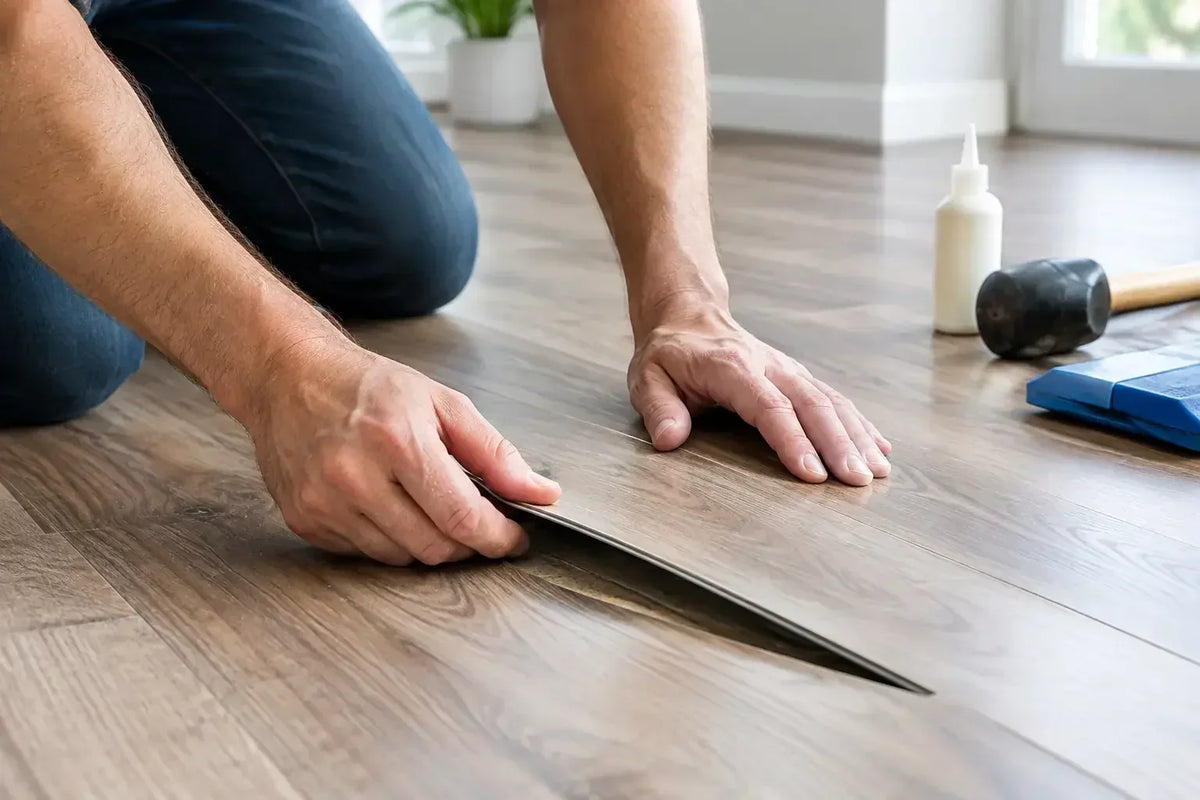
A lifted luxury vinyl plank can start as a small raised edge, then turn into a spot that catches socks, furniture legs, and attention every time you enter the room. Knowing how to fix luxury vinyl flooring that is lifting starts with one practical step: identify why it moved before trying to press it back into place. A repair that ignores the cause may look good for a few days, then lift again.
Luxury vinyl is durable, water-resistant, and a strong value for busy homes, rentals, and renovation projects. But even first-quality vinyl flooring needs the right subfloor, installation method, room conditions, and expansion space to perform as intended. The good news is that many lifting issues are isolated and repairable.
Why Luxury Vinyl Flooring Starts Lifting
Luxury vinyl plank and luxury vinyl tile can lift for different reasons depending on whether the floor is floating with a click-lock system or installed with adhesive. The location of the problem offers useful clues.
If a plank is lifting at a seam in the middle of the room, the click-lock connection may not have been fully engaged, the subfloor may have a low or high spot, or the floor could be under pressure from limited expansion space. If the lifted area is near a wall, transition, cabinet, or exterior door, the floor may be pinched and unable to move naturally as temperatures change.
With glue-down luxury vinyl, lifting often points to an adhesive issue. The adhesive may not have bonded properly, the subfloor may have had dust or moisture, or the floor may have been exposed to water or unusual heat. A loose edge near a sink, dishwasher, patio door, or pet water bowl deserves a closer look for moisture before any repair begins.
Heavy fixed objects can also create problems. A floating vinyl floor should not be trapped beneath kitchen islands, built-in cabinets, or tightly secured trim that prevents movement. Area rugs with rubber or latex backings and direct, intense sunlight can sometimes contribute to discoloration or heat-related movement, depending on the product and conditions.
How to Fix Luxury Vinyl Flooring That Is Lifting
Do not start with glue. Adhesive can make a click-lock repair harder, interfere with the locking profile, and create a mess beneath the plank. First determine whether you have floating click-lock flooring or glue-down vinyl. If you still have the product carton or installation instructions, check there. The plank edge can also help: click-lock products have a shaped mechanical profile, while glue-down planks typically have straight edges and sit flat against the subfloor.
Repair a floating click-lock plank
For a plank that has simply separated or lifted at a seam, begin by clearing furniture and removing any trim or transition pieces that may be applying pressure. Look around the room perimeter for places where the flooring is tight against the wall, door jamb, cabinets, or pipes. Floating floors need the manufacturer-specified expansion gap around the perimeter.
If the issue is near a wall, removing the baseboard or quarter round may reveal the problem immediately. Carefully trim back any section that is pressing against the wall, following the product's installation requirements. Do not cut the floor in place near a finished wall unless you can do so safely without damaging surrounding materials.
When the lifted plank is in the field of the floor, the most reliable fix is usually to disassemble back to the affected row, inspect the locking edges, and reinstall the planks correctly. This takes more time than forcing the seam down, but it protects the locking system. Check for broken or crushed locking tabs, debris in the joint, and unevenness beneath the plank. If the locking edge is damaged, replace that plank rather than trying to force a weakened connection to hold.
A minor seam gap can sometimes be closed by using a flooring pull bar or a non-marring tapping block designed for the product. Work gently. Excessive force can chip the edge or damage the lock, leaving a repair that is less stable than the original problem.
Repair a lifting glue-down vinyl plank
For glue-down luxury vinyl, gently lift only the loose portion far enough to inspect below it. If the subfloor is damp, stained, soft, or dirty, pause the repair and address the underlying condition. Rebonding a plank over moisture or contamination will not last.
If the subfloor is dry, sound, and clean, remove loose old adhesive as directed by the flooring and adhesive manufacturers. Apply the correct adhesive for that specific product, respecting the adhesive's required working time. Then press the plank firmly into place and use a hand roller or the recommended roller method to create full contact.
Wipe away adhesive immediately if it reaches the surface. Avoid applying more adhesive than necessary. Too much can squeeze through joints, create visible ridges, or prevent the plank from laying flat.
For a single small corner that has released but is otherwise in good condition, a vinyl flooring repair adhesive may be appropriate. For multiple lifting planks, widespread bubbling, or recurring loose edges, the installation conditions need a broader evaluation before making spot repairs.
Check the Subfloor Before You Reinstall Anything
Luxury vinyl follows the surface beneath it more closely than many homeowners expect. A floor can feel generally level yet still have a ridge, dip, screw head, old adhesive residue, or patching compound that prevents a plank from sitting correctly. Floating floors need a flat subfloor within the product's stated tolerances. Glue-down products also require a properly prepared, smooth surface for adhesion.
Run a straightedge across the affected area. A visible gap below the straightedge or a high spot where it rocks can explain a lifted seam. Correcting minor subfloor imperfections may require the appropriate patch or leveling material, but large, widespread, or moisture-related problems are not a quick cosmetic repair. They should be evaluated before new flooring is installed.
Also inspect for water. Luxury vinyl itself is water-resistant, but water can still affect the subfloor, adhesive, wall base, and materials around the flooring. Resolve leaks from appliances, plumbing, doors, or exterior walls before reinstalling a plank.
When Heat, Sunlight, or Tight Trim Is the Real Problem
A floor that lifts during hot afternoons or only in a sunroom may be responding to heat gain. Close blinds during the strongest sun, use window treatments that reduce direct exposure, and follow the flooring manufacturer's requirements for rooms with large glass doors or windows. Product construction and installation specifications vary, so there is no one rule for every luxury vinyl floor.
If lifting appears near baseboards or transitions, examine whether trim was fastened through the flooring or pressed too tightly against it. Trim should cover the expansion gap without locking a floating floor in place. The same principle applies to transition moldings: they should be installed according to the product system, not used to clamp the floor down.
When Replacement Is the Smarter Repair
Replace the plank when the locking edge is cracked, the decorative surface is torn, the board is permanently warped, or repeated repairs have failed. Keep a few extra planks from the original installation whenever possible. Color, embossing, and production details can change between runs, particularly when a style has been discontinued.
If you need replacement material for a larger repair or upcoming project, compare the installation type, wear layer, plank dimensions, color variation, and room conditions rather than choosing on appearance alone. First-quality factory-closeout and special-buy flooring can be an excellent value, but availability may vary as inventory changes. Ordering enough material for the project, plus a reasonable repair allowance, helps protect against future matching challenges.
Prevent Lifting on Your Next Vinyl Flooring Project
The best repair is the one you never need. Start with a dry, clean, flat subfloor and use the installation method specified for the exact product. Allow floating floors their required expansion space, avoid trapping them under fixed elements, and use approved underlayment only when the manufacturer calls for it. Before installation, inspect cartons and planks for damage, confirm that the material is appropriate for the room, and follow acclimation guidance where required.
For homeowners in Dallas-Fort Worth and customers ordering nationwide, choosing the right luxury vinyl construction matters as much as choosing the right color. Factory Flooring Liquidators can help shoppers compare first-quality luxury vinyl options, installation methods, and available inventory so the floor fits the room, the project plan, and the budget.
A lifted plank is worth addressing early, before a loose edge damages adjacent flooring or becomes a tripping point. Find the cause, make the repair that fits your installation type, and give the floor the room and support it needs to stay flat.