
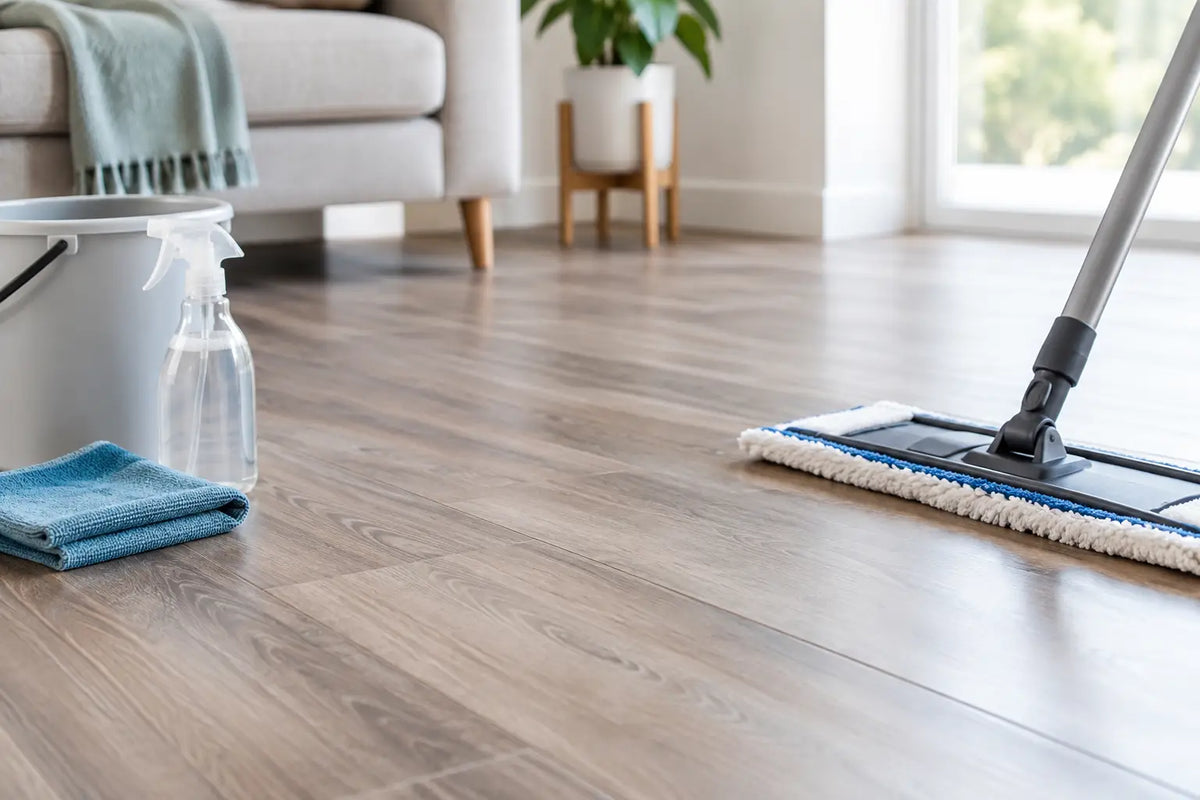
A beautiful vinyl floor does not need a complicated cleaning schedule. What it needs is consistency: remove grit before it acts like sandpaper, clean spills before they dry, and use products that respect the floor’s finish. With the right vinyl flooring planks maintenance routine, luxury vinyl can keep its color, texture, and polished appearance through busy family life, pets, rentals, and renovation projects.
Luxury vinyl plank is valued for its realistic wood visuals, water-resistant or waterproof construction depending on the product, and practical durability. Still, “easy care” does not mean “no care.” A few habits make a meaningful difference, especially in entryways, kitchens, hallways, and other high-traffic rooms.
Start With the Manufacturer’s Care Instructions
Every floor has its own wear layer, surface finish, installation method, and cleaning recommendations. Before using a new cleaner, checking the manufacturer’s instructions is the smart first step. This matters most for a first-quality closeout or discontinued style, where replacing a damaged plank later may be less straightforward if the original run is no longer available.
Factory-closeout sourcing can give homeowners, investors, and contractors access to first-quality luxury vinyl at exceptional value. The maintenance rules do not change because a product is a closeout. Treat it as the quality floor it is: use approved cleaning methods, keep records of the product information, and save a few extra planks from the same lot when planning your purchase.
If you are comparing products for a remodel, look beyond the color and price. Ask about the wear layer, recommended room applications, waterproof performance, and approved maintenance products. A knowledgeable flooring specialist can help match those details to your household and project expectations.
Daily Vinyl Flooring Planks Maintenance Habits
The biggest threat to a vinyl plank floor is often ordinary dirt. Fine grit tracked in from sidewalks, driveways, and landscaping can gradually dull the finish when it is walked across repeatedly. Sweep with a soft broom, use a dry dust mop, or vacuum with a setting intended for hard floors. Avoid vacuums with aggressive rotating brush rolls unless the manufacturer specifically permits them.
Place quality mats at exterior doors and encourage guests to wipe their shoes. In a busy home, this small step reduces the amount of abrasive debris reaching the floor. Choose mats without a backing that could discolor or react with the flooring surface, and keep them clean so they do their job.
Wipe up spills promptly with a soft, absorbent cloth. Vinyl plank handles everyday kitchen splashes and muddy paw prints well, but leaving liquid, food residue, or sticky messes on any finished floor can leave a film behind. For pet accidents, clean the area promptly with an approved product and dry it thoroughly.
Furniture is another easy area to control. Use non-staining protective pads under chair legs, tables, sofas, and other movable furniture. Replace worn pads before they become rough or collect grit. When moving a refrigerator, appliance, or heavy piece of furniture, lift it or use a suitable moving method rather than dragging it across the planks.
How to Mop Luxury Vinyl Plank Flooring
A light weekly mop is enough for many households, although active kitchens, pets, and rental properties may need more frequent cleaning. Start by removing loose debris. Mopping before sweeping simply moves grit around and can leave the floor looking streaky.
Use a well-wrung microfiber mop with warm water and a cleaner approved for luxury vinyl flooring. The mop should be damp, not soaking wet. Even products designed for moisture resistance benefit from controlled cleaning rather than standing water along edges, transitions, or perimeter gaps.
Work in manageable sections and change the cleaning solution if it becomes visibly dirty. If the floor looks hazy after mopping, the issue is often too much cleaner or a product that leaves residue. Rinse the mop, use clean water sparingly, and buff the area dry with a clean microfiber pad if needed.
Avoid steam mops unless the flooring manufacturer explicitly approves them. High heat and concentrated moisture can be hard on seams, adhesives, and surface finishes. Also skip abrasive scrub pads, steel wool, waxes, polishes, and oil-based soaps. These products can scratch the surface, create a slippery buildup, or make future cleaning more difficult.
A Simple Cleaning Formula
For most homes, the practical routine is straightforward: dry-clean the floor several times per week, spot-clean spills as they happen, and damp-mop as needed. High-traffic areas may need attention more often than bedrooms or low-use spaces.
The goal is not to make vinyl plank flooring high maintenance. It is to prevent small problems from becoming permanent-looking wear. This is especially useful for property owners who want a clean, durable surface that shows well between tenants or before listing a home for sale.
Prevent Scratches, Scuffs, and Fading
No hard-surface floor is completely immune to scratches. Vinyl plank is designed for real life, but it will look better longer when heavy traffic is managed thoughtfully. Keep outdoor surfaces near entrances as clean as possible, use furniture protectors, and avoid rolling heavy objects directly across the floor.
For scuff marks, try a clean microfiber cloth and an approved vinyl-floor cleaner first. Do not reach for harsh solvents or abrasive tools. If a mark does not lift easily, check the flooring care instructions before trying another method.
Sunlight deserves attention, particularly in rooms with large windows and strong afternoon exposure. Window coverings, blinds, or UV-filtering treatments can help reduce uneven fading over time. Rearranging rugs and furniture occasionally also helps the room age more evenly.
Area rugs can add comfort and style, but choose them carefully. Avoid rubber, latex, or unknown backing materials that may stain or discolor flooring. Use breathable, colorfast options recommended for resilient floors, and periodically lift rugs to clean beneath them.
What to Avoid on Vinyl Plank Floors
Many maintenance mistakes happen because a product sounds powerful or familiar. Vinyl flooring does not need heavy-duty stripping, waxing, or polishing to look clean. Those treatments may temporarily change the shine, but they can also leave residue that attracts dirt and complicates future care.
Avoid flooding the floor with water, using ammonia-heavy or highly alkaline cleaners without manufacturer approval, and combining cleaning products. Never use acetone, paint thinner, or strong solvents for routine messes. For unusual stains, consult the specific product care guidance before attempting a remedy.
Be cautious with rolling office chairs, especially in home offices. A suitable hard-floor chair mat or soft casters can reduce concentrated wear. In commercial or multi-family settings, entry mats and scheduled dry-cleaning are often more valuable than frequent aggressive mopping.
Plan for Long-Term Value
A well-maintained vinyl plank floor supports the value of the entire project. It continues to look intentional in a renovated kitchen, a rental turnover, a family room update, or a full-home remodel. Maintenance also starts before installation: selecting a floor suited to the room, purchasing the right amount, and keeping extra material for future repairs are practical decisions that can save time later.
At Factory Flooring Liquidators, homeowners and trade buyers can explore first-quality luxury vinyl options sourced through overstock, end-of-run, special-buy, and factory-closeout opportunities. Inventory changes, but the advantage remains the same: quality flooring selection paired with practical guidance and value-focused purchasing. DFW customers can visit the showroom, while buyers across the United States can shop with nationwide delivery options.
Keep the routine simple, use the right tools, and address dirt and spills early. Your vinyl plank floor should support the way you live, not add another demanding task to your week.